
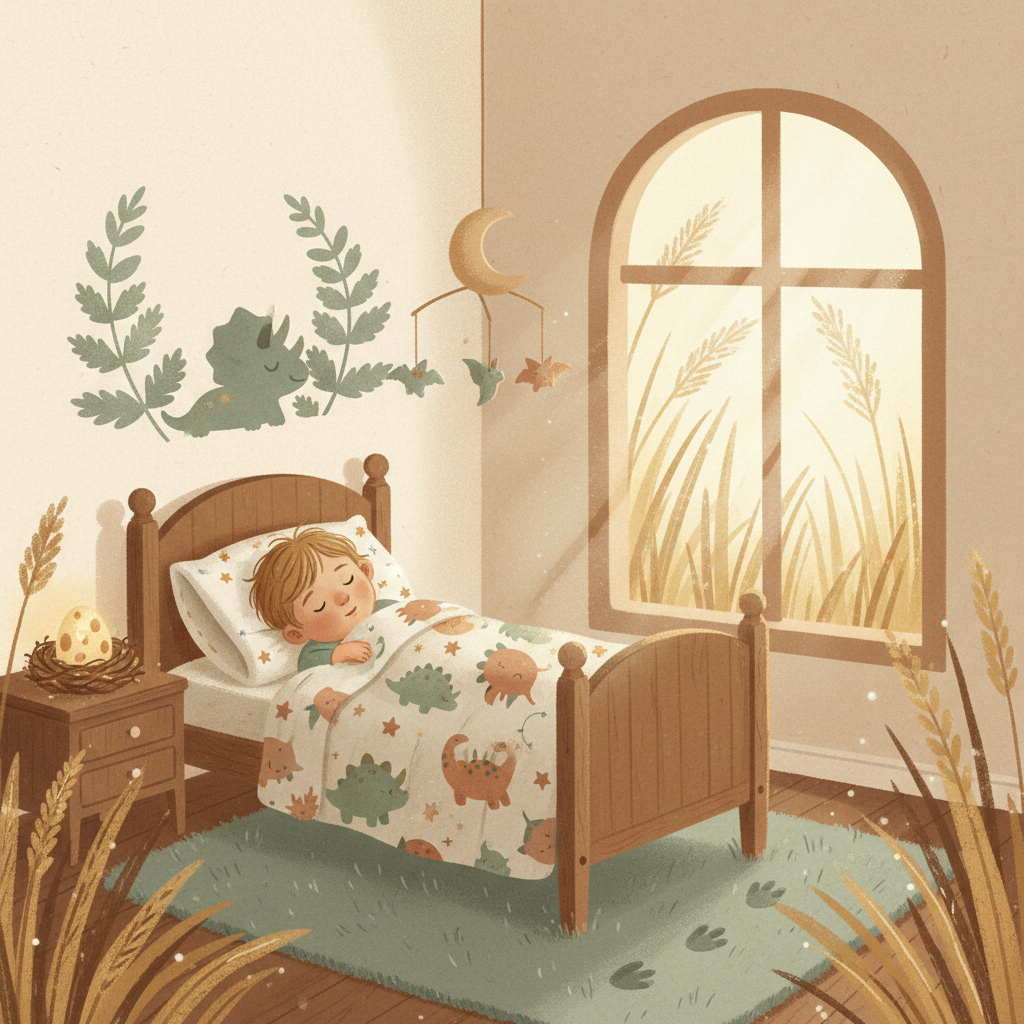
Peaceful Bedtimes: Helping Your 3-Year-Old Drift to Dino Dreams
Navigating bedtime with a spirited 3-year-old can feel like a grand adventure, much like exploring a prehistoric jungle. At this age, children are brimming with newfound independence, imagination, and a burgeoning sense of self, which can sometimes manifest as resistance when it's time to wind down. As parents, our goal is to create a nurturing environment that supports their natural sleep rhythms while fostering a sense of security and calm.
Establishing consistent routines is often highlighted by pediatric experts as a cornerstone for successful sleep. For a 3-year-old, predictability offers comfort and helps them anticipate what comes next, easing the transition from lively play to peaceful slumber. Let's explore some gentle, effective strategies to bring more calm to your evenings.
Understanding Your 3-Year-Old's Sleep Needs
Three-year-olds are in a dynamic stage of development, experiencing significant cognitive and emotional growth. This can impact their sleep patterns, leading to shifts in nap duration, night wakings, or resistance to bedtime. According to the American Academy of Pediatrics (AAP), children aged 3 to 5 years typically need 10 to 13 hours of sleep per 24-hour period, including naps. Some 3-year-olds might still be napping, while others are beginning to drop their daytime sleep. Recognizing these individual variations is key to tailoring a sleep approach that works best for your family.
One common challenge at this age is the onset of vivid dreams or even nightmares, which can make a child reluctant to close their eyes. Their imagination is blossoming, and sometimes, this can make bedtime feel a little daunting. The Sleep Foundation notes that children around this age often experience sleep regression or changes in sleep patterns, which can be related to developmental milestones or environmental factors. Approaching these changes with patience and understanding can make a significant difference.
Crafting a Calming Bedtime Routine
A consistent and predictable bedtime routine signals to your child's body and mind that it's time to wind down. This routine doesn't need to be rigid but should follow a sequence that lasts about 20-45 minutes and is repeated every night. Pediatric experts often suggest incorporating calming activities that lead towards sleep, creating a peaceful ritual for your little paleontologist.
Consider beginning your routine with a warm bath. The drop in body temperature after a bath can naturally make a child feel sleepy. Follow this with quiet activities like reading a book together, singing a lullaby, or gentle conversation about their day. The National Institutes of Health (NIH) emphasizes the importance of a consistent sleep schedule and calming bedtime routine for children's overall health. This dedicated time not only promotes sleep but also strengthens your bond.
"Consistency and a calm environment are cornerstones for healthy sleep habits in young children. A predictable routine provides comfort and security, helping them transition from active play to restful sleep."
It's also helpful to dim the lights and reduce screen time (tablets, TVs, phones) at least an hour before bed. The blue light emitted from screens can interfere with the production of melatonin, a hormone that helps regulate sleep. Creating a soft, dimly lit environment can help your child's body naturally prepare for rest. For more ideas on establishing soothing routines, you might find guidance in our post on Helping Your 3-Year-Old Find Peaceful Dino Dreams.
Creating a Sleep-Friendly Environment
The physical space where your child sleeps plays a significant role in their ability to settle down. A 3-year-old's bedroom should be a sanctuary of calm, free from distractions and conducive to sleep. Consider these elements to optimize their sleep environment:
- Darkness: Ensure the room is as dark as possible. Blackout curtains can be very effective, especially during summer months or if there are streetlights outside. A small nightlight can be used if your child expresses fear of the dark, but it should be dim and warm-toned.
- Quiet: Minimize noise as much as possible. If external noises are unavoidable, a white noise machine can help mask them and provide a consistent, soothing background sound. Ensure the white noise is at a safe decibel level.
- Temperature: The ideal room temperature for sleep is generally between 68-72 degrees Fahrenheit (20-22 degrees Celsius). An overly warm or cold room can disrupt sleep. The Cleveland Clinic suggests keeping the bedroom cool and dark as part of good sleep hygiene for children.
- Safety and Comfort: Ensure your child's bed is safe and comfortable. If they have recently transitioned from a crib to a bed, make sure the room is child-proofed. Familiar comfort items, like a favorite blanket or stuffed animal, can also provide security.
Gentle Approaches to Common Bedtime Challenges
Even with the best routine, 3-year-olds can still present bedtime challenges. Persistent requests for water, multiple trips to the bathroom, or an endless stream of "just one more story" are common. Responding to these with calm consistency is crucial.
- The "One More" Game: Acknowledge their request, but gently remind them of the routine. For instance, "We've had our two stories for tonight, and now it's time for sleep." You can offer a choice within limits, "Would you like one more hug or one more drink of water?" but then hold firm.
- Night Wakings: If your child wakes during the night, try to respond calmly and reassuringly. A quick check-in, a soft pat on the back, and a quiet statement like "It's still nighttime, time to sleep" can be effective. Avoid turning on bright lights or engaging in long conversations. The Mayo Clinic discusses how night waking in toddlers can be a normal part of development, and often benefits from a consistent, calm response.
- Fears: If fears are at play, validate their feelings without dwelling on them. "I understand you feel scared, but you are safe in your bed. I'm right next door." You might check under the bed or in the closet quickly to reassure them, but avoid making it a lengthy event. Sometimes, a "monster spray" (water in a spray bottle) can be a fun, empowering tool for your tiny T-rex fan.
Remember, consistency doesn't mean perfection. There will be nights when things don't go as planned, and that's perfectly normal. What matters most is returning to your established routine and consistent responses as soon as possible.
Supporting Daytime Habits for Better Nighttime Sleep
What happens during the day significantly impacts nighttime sleep. Holistic sleep health for your 3-year-old involves more than just the bedtime routine; it encompasses their entire day.
- Regular Wake Times: Try to maintain a consistent wake-up time, even on weekends. This helps regulate their internal body clock. For similar age groups, you can find more guidance on consistent routines in our articles like Guiding Your 4-Year-Old to Peaceful Bedtime Dreams.
- Adequate Physical Activity: Ensure your 3-year-old gets plenty of active playtime outdoors during the day. Physical exertion helps them expend energy, leading to healthier fatigue by evening. The CDC recommends that preschoolers (3-5 years) get at least 3 hours of physical activity spread throughout the day.
- Mindful Napping: At three, some children still need a nap, while others are ready to drop it. If your child naps, try to keep it to an appropriate length (typically 1-2 hours) and ensure it ends by early afternoon. A nap that is too long or too late can interfere with nighttime sleep. Observing your child's cues is essential here; if they are resisting bedtime consistently after napping, it might be time to shorten or gently transition away from naps.
By weaving these healthy daytime habits into your family's rhythm, you create a foundation for more restful nights. Think of it like building a sturdy nest for a brontosaurus – strong daytime efforts lead to secure, calm nighttime rest.
Gentle Reminder
This article offers educational content and general information to support parents in navigating their child's sleep journey. It is not intended to be medical advice. Every child is unique, and if you have specific concerns about your child's sleep, behavior, or health, please consult with your pediatrician or a qualified healthcare professional. They can provide personalized guidance based on your child's individual needs.
Looking for a calm 60-second bedtime ritual app for dinosaur-loving kids? Little Dreaming Dino offers a soothing experience to help families wind down together. We invite you to try it and join our community of parents seeking peaceful evenings.
Sources
- American Academy of Pediatrics - Healthy Sleep Habits: How Many Hours Does Your Child Need?
- Sleep Foundation - Sleep Regression
- National Institutes of Health - Sleep plays critical role in children's health
- Cleveland Clinic - Children and Sleep
- Mayo Clinic - Toddler sleep problems: What to do when your child won't sleep
- CDC - How much physical activity do children need?
Little Dreaming Dino
A calm 60-second bedtime ritual for dinosaur-loving little ones.
Parent-led, screen-soft, and made for 3–7 year olds who'd rather hear about a sleepy brontosaurus than brush their teeth.
Sources
- Healthy Sleep Habits: How Many Hours Does Your Child Need? — American Academy of Pediatrics
- Sleep Regression — Sleep Foundation
- Sleep plays critical role in children's health — National Institutes of Health
- Children and Sleep — Cleveland Clinic
- Toddler sleep problems: What to do when your child won't sleep — Mayo Clinic
- How much physical activity do children need? — Centers for Disease Control and Prevention
Educational content only. Not medical advice. Please consult your pediatrician about sleep concerns.