
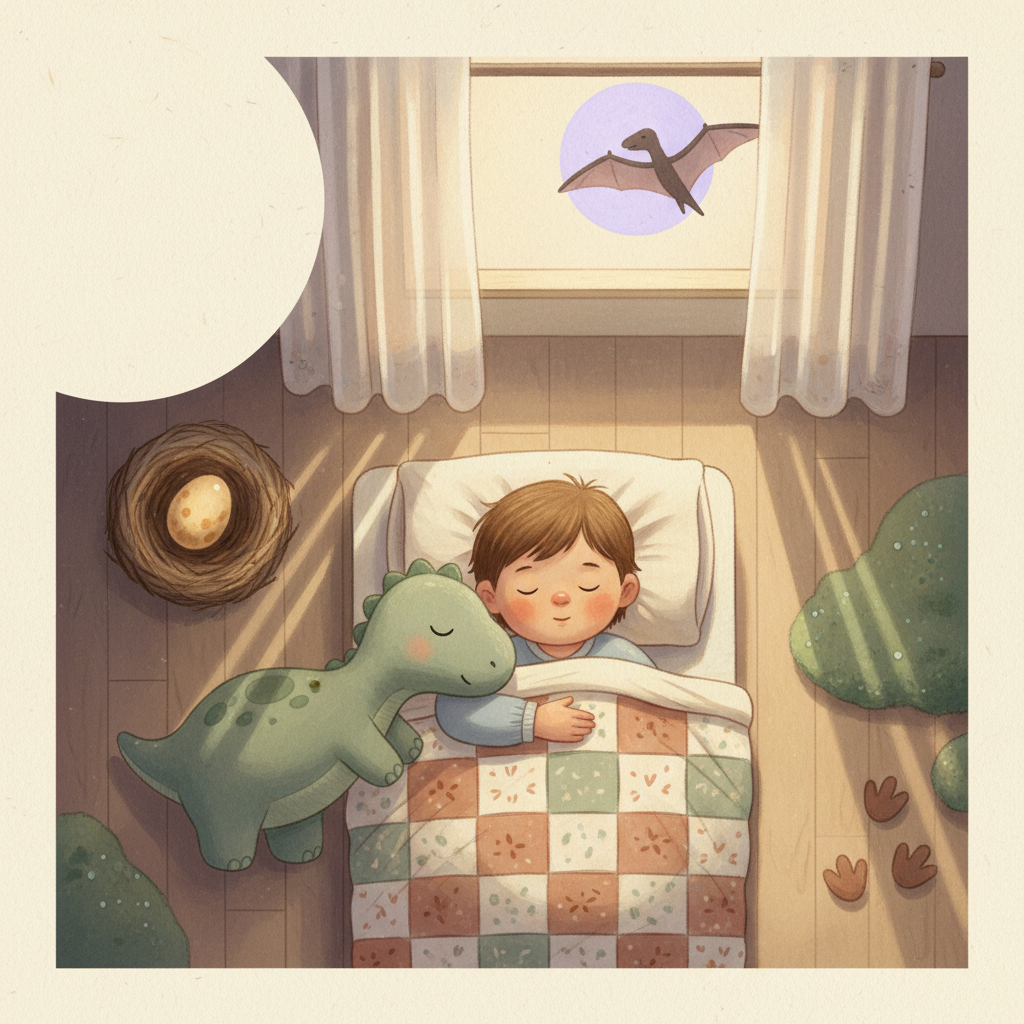
Guiding Your 4-Year-Old to Peaceful Bedtime Dreams
Bedtime with a spirited 4-year-old can sometimes feel like navigating a prehistoric jungle. At this age, your child is brimming with curiosity, independence, and a blossoming imagination, which can sometimes make the transition to sleep a bit challenging. As parents, we often wonder how to make this nightly ritual smoother, more peaceful, and less of a battle.
Rest assured, you're not alone. Many families find themselves seeking gentle, effective strategies to help their energetic 4-year-olds settle down for the night. The good news is that with a little patience, consistency, and expert-backed approaches, you can create a bedtime environment that encourages restful sleep for your little one – and a moment of calm for you too.
Understanding Your 4-Year-Old's Sleep Needs
Before diving into strategies, it's helpful to understand what sleep looks like for a typical 4-year-old. At this age, many children are still napping, though some may begin to phase out their afternoon sleep. The overall amount of sleep remains crucial for their development, mood, and learning.
According to the American Academy of Pediatrics, children aged 3 to 5 years typically need 10 to 13 hours of sleep per 24-hour period, including naps. The Sleep Foundation further clarifies that most 4-year-olds require between 10 and 13 hours of sleep per night, though some may need as little as 8 or as much as 14 hours. Sleep Foundation.
Variations in sleep patterns, such as occasional nighttime awakenings or difficulty falling asleep, are common at this age. Your child's cognitive and emotional growth can sometimes manifest as bedtime resistance or vivid dreams. Recognizing these developmental milestones as part of the process can help you approach bedtime challenges with empathy and understanding.
The Power of a Predictable Bedtime Routine
One of the most effective tools in a parent's toolkit for encouraging good sleep is a consistent bedtime routine. Children thrive on predictability, and a well-established routine signals to their bodies and minds that it's time to wind down.
Pediatric experts often suggest that a consistent bedtime routine can significantly improve sleep quality and reduce bedtime struggles. The Cleveland Clinic emphasizes that a routine helps prepare a child's body and mind for sleep, making the transition smoother. This isn't about rigid adherence to a schedule down to the minute, but rather a sequence of calming activities that your child can anticipate.
Consider a routine that lasts 20-30 minutes and includes activities like:
- Warm Bath: A relaxing bath can help lower body temperature, which is a natural cue for sleep.
- Quiet Play: Engage in gentle activities like puzzles, drawing, or building with soft blocks.
- Reading Together: Sharing a few favorite stories is a wonderful way to connect and calm down. Let your little one pick a book or two.
- Brushing Teeth & Potty: Essential hygiene steps that become part of the wind-down.
- Cuddles & Soft Talk: Gentle conversation about their day, affirmations, or a quiet song.
It's helpful to perform these steps in the same order each night, even on weekends, to reinforce the pattern. Consistency is key, as it builds positive sleep associations. For more insights on developing sleep habits, you might find guidance in Helping Your 4-Year-Old Drift to Dino Dreams.
Creating a Sleep-Friendly Environment
The physical space where your 4-year-old sleeps plays a significant role in their ability to fall and stay asleep. Just as a brontosaurus might seek out a peaceful clearing, your child needs a calm sanctuary.
The National Institutes of Health (NIH) highlights the importance of a conducive sleep environment. A few adjustments can make a big difference:
- Darkness: Ensure the room is as dark as possible. Blackout curtains can be very helpful, especially during longer daylight hours or for naps. Even small amounts of light can disrupt melatonin production, the hormone that helps regulate sleep.
- Cool Temperature: A slightly cool room (around 68-72°F or 20-22°C) is often ideal for sleep.
- Quiet: Minimize noise disturbances. A white noise machine can mask household sounds and provide a soothing background.
- Comfort: A comfortable mattress, appropriate bedding, and a beloved soft toy can contribute to a sense of security and coziness.
"Consistency is often cited by pediatric sleep experts as the single most important factor in establishing healthy sleep habits. A predictable routine provides comfort and security, easing the transition from an active day to a restful night."
Consider involving your 4-year-old in choosing some elements for their sleep space, like a new dinosaur-themed pillowcase or a special night light (one that emits a warm, dim glow, not bright blue light). This can empower them and make them feel more connected to their bedtime routine.
Addressing Common Bedtime Challenges
Even with a perfect routine and environment, 4-year-olds can present unique bedtime challenges. Their developing independence and imagination are often at the root of these.
- Stalling Tactics: "Just one more story!" or "I need water!" are classic stalling techniques. Acknowledge their requests but gently redirect. You can build in "one more thing" as part of the routine, but once that's done, it's lights out. Keep goodbyes brief and loving, but firm.
- Nighttime Fears: Monsters under the bed or shadows can become very real for a 4-year-old. Validate their feelings without giving too much credence to the fear. A "monster spray" (water in a spray bottle), a special "courage dinosaur" toy, or a dim nightlight can offer comfort. Avoid engaging in lengthy discussions or searches for imaginary creatures, which can inadvertently reinforce the fear. The American Academy of Pediatrics offers further guidance on how to navigate nightmares and night terrors.
- Waking Up at Night: If your child wakes during the night, a brief, calm response is usually best. Reassure them, remind them it's still sleepy time, and guide them back to bed. Avoid engaging in play or extended conversations. You can find more strategies on addressing Child Wakes Up At Night.
Remember, your calm and consistent response is the most powerful tool. Avoid becoming frustrated, as this can escalate the situation. Patience and gentle firmness are your allies.
The Importance of Daytime Activities
What happens during the day significantly impacts how well your 4-year-old sleeps at night. Active days lead to more restful nights.
- Physical Activity: Ensure your child gets plenty of active play outdoors during the day. Running, jumping, and exploring help burn off energy and contribute to healthy fatigue. Aim for at least 60 minutes of moderate to vigorous physical activity daily, as recommended by the CDC.
- Limiting Screen Time: Experts generally advise limiting screen time for young children, especially in the hours leading up to bedtime. The blue light emitted from screens can interfere with melatonin production, making it harder to fall asleep. The American Academy of Pediatrics suggests avoiding screens for at least one hour before sleep.
- Consistent Wake-Up Times: Just like consistent bedtimes, maintaining a regular wake-up time, even on weekends, helps regulate your child's internal body clock.
Encouraging a day filled with engaging play and learning, balanced with opportunities for quiet downtime, will help set the stage for a smoother transition to sleep. Think of it as a well-paced journey for your tiny T-rex fan, ensuring they're ready to settle down when the time comes.
Before you go, if you're looking for a calm 60-second bedtime ritual app for dinosaur-loving kids, we invite you to try Little Dreaming Dino. It's a wonderful way to end the day with peace and connection.
Gentle reminder: This article provides general educational information and is not a substitute for professional medical advice. Always consult your pediatrician or a qualified healthcare provider for any questions or concerns regarding your child's sleep, behavior, or health.
Sources
- American Academy of Pediatrics - Healthy Sleep Habits
- Sleep Foundation - How Much Sleep Do Kids Need
- Cleveland Clinic - Sleep for Kids
- National Institutes of Health - Sleep Health Research in Children and Adolescents
- CDC - Physical Activity for Children
- American Academy of Pediatrics - Nightmares and Night Terrors
Little Dreaming Dino
A calm 60-second bedtime ritual for dinosaur-loving little ones.
Parent-led, screen-soft, and made for 3–7 year olds who'd rather hear about a sleepy brontosaurus than brush their teeth.
Sources
- Healthy Sleep Habits for All Ages — American Academy of Pediatrics
- How Much Sleep Do Kids Need? — Sleep Foundation
- Sleep for Kids — Cleveland Clinic
- Sleep Health Research in Children and Adolescents — National Institutes of Health
- Physical Activity for Children — CDC
- Nightmares and Night Terrors — American Academy of Pediatrics
Educational content only. Not medical advice. Please consult your pediatrician about sleep concerns.