
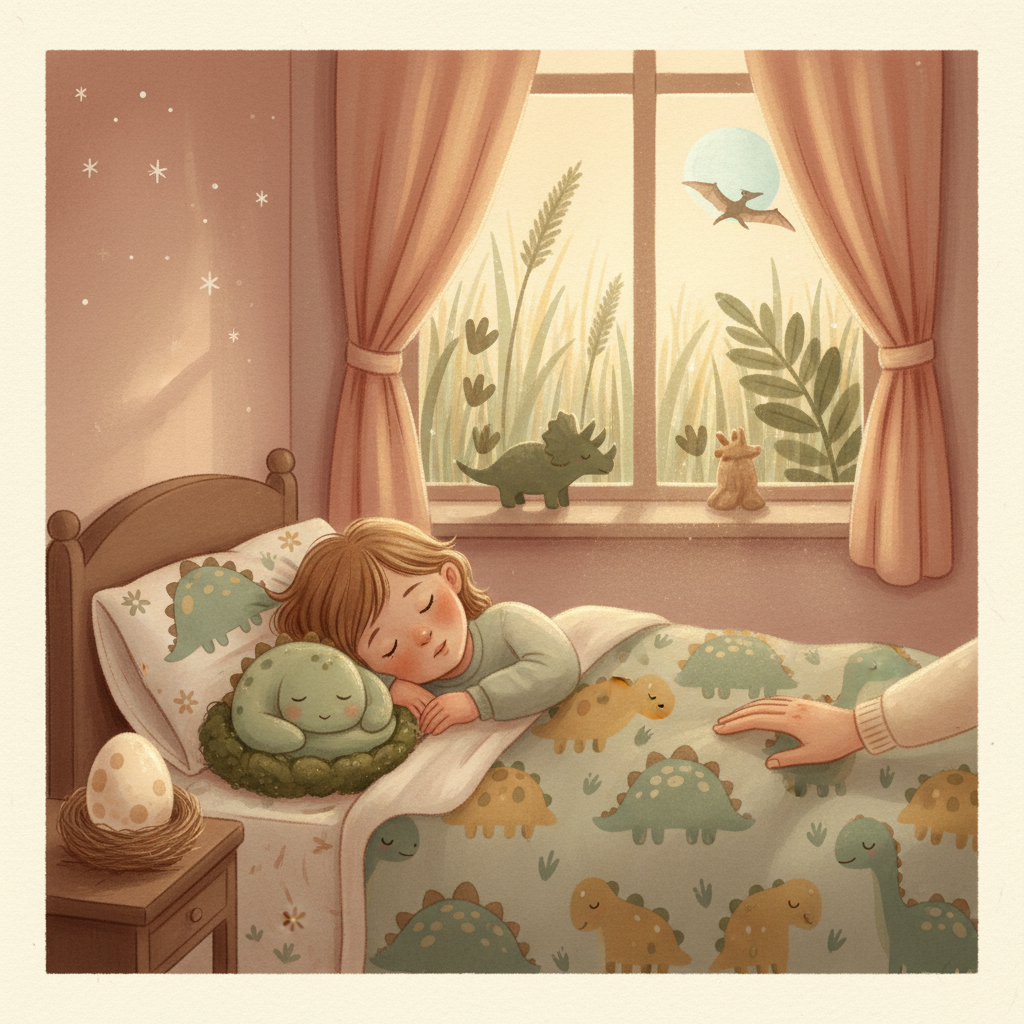
Helping Your 4-Year-Old Drift to Dino Dreams
As your little paleontologist approaches their 4th birthday, their world is expanding at an incredible pace. They're exploring, learning, and developing a vibrant personality, often accompanied by a blossoming independence. While this stage is filled with wonder, it can also bring new sleep challenges, leaving many parents wondering how to best support their child's journey to restful nights. If you're navigating the exciting, sometimes bewildering, world of a 4-year-old's sleep, you're certainly not alone. Many families find themselves seeking gentle, effective strategies to help their preschoolers wind down and embrace peaceful slumber.
This isn't about "fixing" sleep, but rather understanding the unique needs of this age and cultivating an environment where sleep can naturally thrive. We’ll delve into insights from pediatric experts to help you create a supportive framework for your child's nightly rest, ensuring both of you can wake up refreshed and ready for new adventures.
Understanding Your 4-Year-Old's Sleep World
At four years old, children are in a fascinating stage of development. Their brains are incredibly active, processing vast amounts of new information daily, which can sometimes impact their ability to settle down at night. Pediatric experts highlight that sleep is a crucial component of healthy development for preschoolers, supporting their physical growth, cognitive function, and emotional regulation. According to the American Academy of Pediatrics (AAP), preschoolers aged 3-5 years typically need 10-13 hours of sleep per 24-hour period, including naps, for optimal health [https://www.healthychildren.org/English/healthy-living/sleep/Pages/Healthy-Sleep-Habits-for-Young-Children.aspx].
Around this age, many children begin to drop their daytime naps. This can be a gradual transition, and some 4-year-olds might still benefit from a short rest or quiet time during the day. The Sleep Foundation notes that while naps decrease in frequency as children grow, consistent sleep schedules, including bedtime and wake-up times, remain vital [https://www.sleepfoundation.org/children-and-sleep/napping-in-children]. If your child is still napping, pay attention to whether it's impacting their nighttime sleep. A nap that's too long or too late in the day could make it harder for them to fall asleep at bedtime. Conversely, an overtired child who has dropped their nap too soon might also struggle to settle.
Another common factor for this age group is the emergence of vivid imaginations, which can sometimes lead to bedtime fears or nightmares. As children develop a more complex understanding of the world, they might start to worry about things they see or hear, or even just what their imagination conjures. This is a normal part of development, but it can certainly disrupt sleep. Pediatric sleep specialists often suggest acknowledging these fears and providing comfort and reassurance, rather than dismissing them. For more on navigating night wakings, you might find our post on A Calm Child Wakes Up At Night for Little Dino Fans helpful.
Crafting a Calming Bedtime Routine
One of the most powerful tools in a parent's toolkit for supporting healthy sleep is a consistent and calming bedtime routine. Think of it as a gentle signal to your child’s body and mind that the day is winding down and sleep is approaching. This ritual helps to regulate their internal clock and reduces the likelihood of bedtime battles. The National Institutes of Health (NIH) emphasizes the importance of a predictable routine for young children, helping them feel secure and understand what to expect [https://www.nih.gov/news-events/news-releases/sleep-key-healthy-child-development].
A typical routine might include a warm bath, putting on pajamas, brushing teeth, reading a story, and some quiet cuddles. The key is consistency and tranquility. Aim for the routine to last about 20-30 minutes, keeping it soothing and free from stimulating activities like screen time, which the American Academy of Pediatrics advises against in the hour before bed due to the blue light affecting melatonin production [https://www.healthychildren.org/English/health-issues/conditions/sleep/Pages/Healthy-Sleep-Habits-for-Young-Children.aspx].
Many families find it helpful to involve their child in choosing elements of the routine, giving them a sense of control. For example, letting your tiny T-rex fan pick out two books for story time, or which pajamas to wear. This collaboration can reduce resistance and make the routine a more enjoyable shared experience. Consistency extends to the timing of the routine as well. Sticking to a similar bedtime each night, even on weekends, can significantly support your child
Further reading from trusted pediatric sources:
A calm parent checklist
For families who want one practical place to start, keep the evening plan simple, repeatable, and easy for a tired child to recognize. The goal is not perfection. It is a steady rhythm: a quiet cue, a predictable order, and a gentle finish that parents can repeat most nights without turning bedtime into a long negotiation.
- Choose two or three steps that already fit your home.
- Keep the order familiar, even when the exact timing changes.
- Let the room, lights, and voice signal that the day is slowing down.
- Save big conversations, rough play, and stimulating choices for earlier in the evening.
For broader context, parents can compare their routine with trusted sleep education such as American Academy of Pediatrics. Little Dreaming Dino can sit inside that routine as a short, cozy dinosaur moment when families want a softer transition into the final part of the night.
Little Dreaming Dino
A calm 60-second bedtime ritual for dinosaur-loving little ones.
Parent-led, screen-soft, and made for 3–7 year olds who'd rather hear about a sleepy brontosaurus than brush their teeth.
Sources
- Healthy Sleep Habits for Young Children — American Academy of Pediatrics
- Napping in Children — The Sleep Foundation
- Sleep is Key for Healthy Child Development — National Institutes of Health
- Sleep and Your Preschooler — American Academy of Pediatrics
- Children and Sleep: How much sleep do kids need? — Mayo Clinic
- Taming Toddler Tantrums at Bedtime and Beyond — Zero to Three
- Setting a Bedtime for Your Child — The Sleep Foundation
- Sleep Problems in Children — Cleveland Clinic
Educational content only. Not medical advice. Please consult your pediatrician about sleep concerns.