
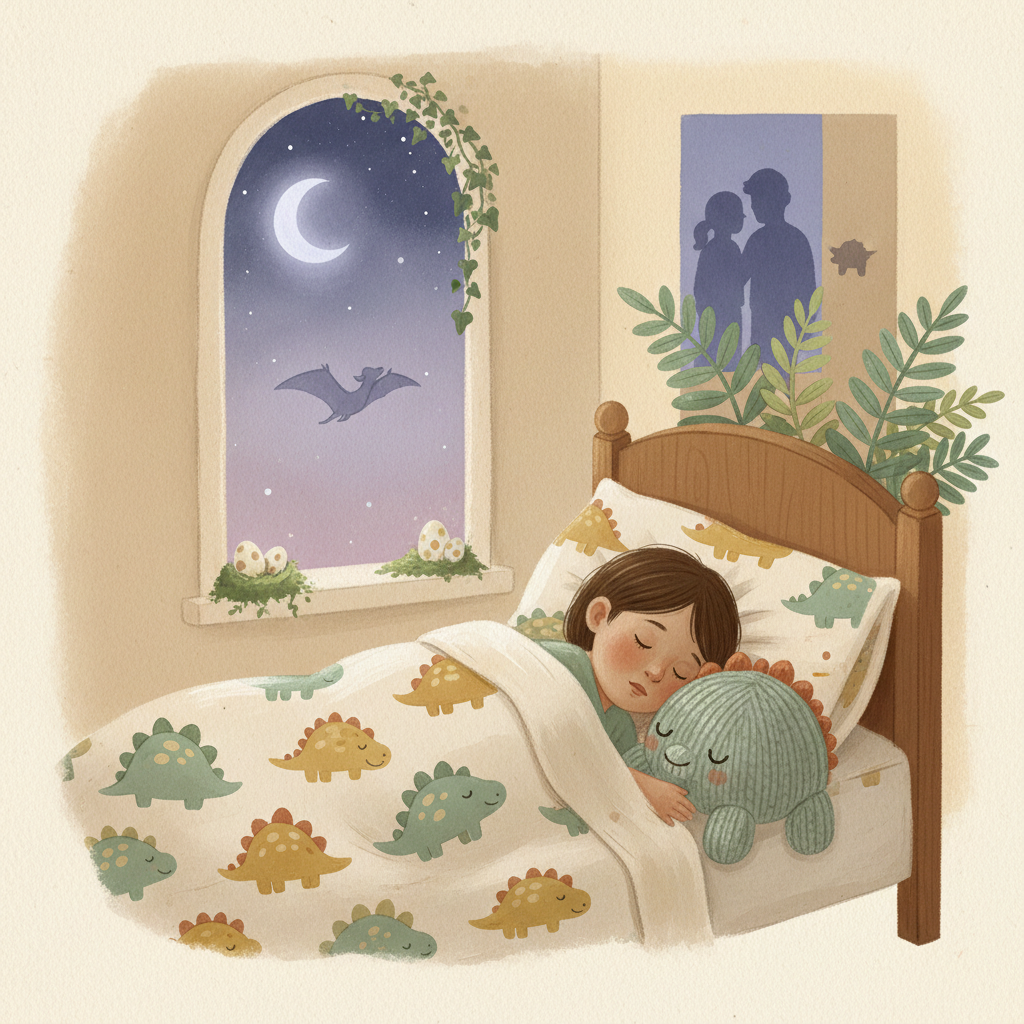
Helping Your 3-Year-Old Find Peaceful Dino Dreams
As parents, few things feel more precious than seeing our little ones nestled peacefully in dreamland. Yet, as your child approaches and navigates their third year, the journey to consistent, restorative sleep can sometimes present new adventures. Your once predictable sleeper might start testing boundaries, expressing new fears, or simply showing a renewed sense of independence at bedtime.
It's a wonderful stage of growth, but it can also bring about questions and concerns when sleep routines become a challenge. You're not alone if you're looking for gentle ways to help your 3-year-old embrace the calm of the night.
In this guide, we'll explore expert-backed approaches and compassionate strategies to support your child in developing healthy sleep habits, ensuring both of you can enjoy more peaceful nights. Remember, every child is unique, and finding what resonates with your family is part of the journey.
Understanding Your 3-Year-Old's Sleep World
Around age three, children are undergoing significant developmental leaps. Their imaginations are blossoming, language skills are exploding, and their sense of self is becoming more defined. These exciting changes can impact sleep in various ways. According to the American Academy of Pediatrics (AAP), preschoolers aged 3-5 years typically need 10-13 hours of sleep per 24-hour period, including naps. These sleep needs are crucial for their physical and cognitive development [https://www.healthychildren.org/English/healthy-living/sleep/Pages/Healthy-Sleep-Habits-for-Young-Children.aspx].
Many 3-year-olds are also transitioning away from daily naps, or their nap times might be shortening. This shift can sometimes lead to an overtired child by bedtime, making it harder for them to settle down. Pediatric experts at the Sleep Foundation highlight that as children grow, their sleep architecture changes, and they might experience more vivid dreams or even nightmares, which can sometimes interrupt sleep [https://www.sleepfoundation.org/children-and-sleep/stages-of-sleep-in-children].
Behavioral aspects also play a significant role. Three-year-olds are often testing limits and asserting their independence. This might manifest as bedtime resistance, endless requests, or repeated calls for parents after being tucked in. Understanding these underlying developmental factors can help parents approach sleep challenges with empathy and effective strategies.
"Establishing consistent, predictable routines is one of the most powerful tools parents have to support healthy sleep in young children. It signals to a child
Further reading from trusted pediatric sources:
A calm parent checklist
For families who want one practical place to start, keep the evening plan simple, repeatable, and easy for a tired child to recognize. The goal is not perfection. It is a steady rhythm: a quiet cue, a predictable order, and a gentle finish that parents can repeat most nights without turning bedtime into a long negotiation.
- Choose two or three steps that already fit your home.
- Keep the order familiar, even when the exact timing changes.
- Let the room, lights, and voice signal that the day is slowing down.
- Save big conversations, rough play, and stimulating choices for earlier in the evening.
For broader context, parents can compare their routine with trusted sleep education such as American Academy of Pediatrics. Little Dreaming Dino can sit inside that routine as a short, cozy dinosaur moment when families want a softer transition into the final part of the night.
Little Dreaming Dino
A calm 60-second bedtime ritual for dinosaur-loving little ones.
Parent-led, screen-soft, and made for 3–7 year olds who'd rather hear about a sleepy brontosaurus than brush their teeth.
Sources
- Healthy Sleep Habits for Young Children — American Academy of Pediatrics
- Stages of Sleep in Children — Sleep Foundation
- Children and sleep: Helping kids get the sleep they need — Mayo Clinic
- Nightmares and Night Terrors — American Academy of Pediatrics
- Screen time impacts sleep in young children — National Institutes of Health
- Helping Young Children with Fears — Zero to Three
Educational content only. Not medical advice. Please consult your pediatrician about sleep concerns.