Snuggles & Scales: Enhancing Bedtime with a Stuffed Animal Routine
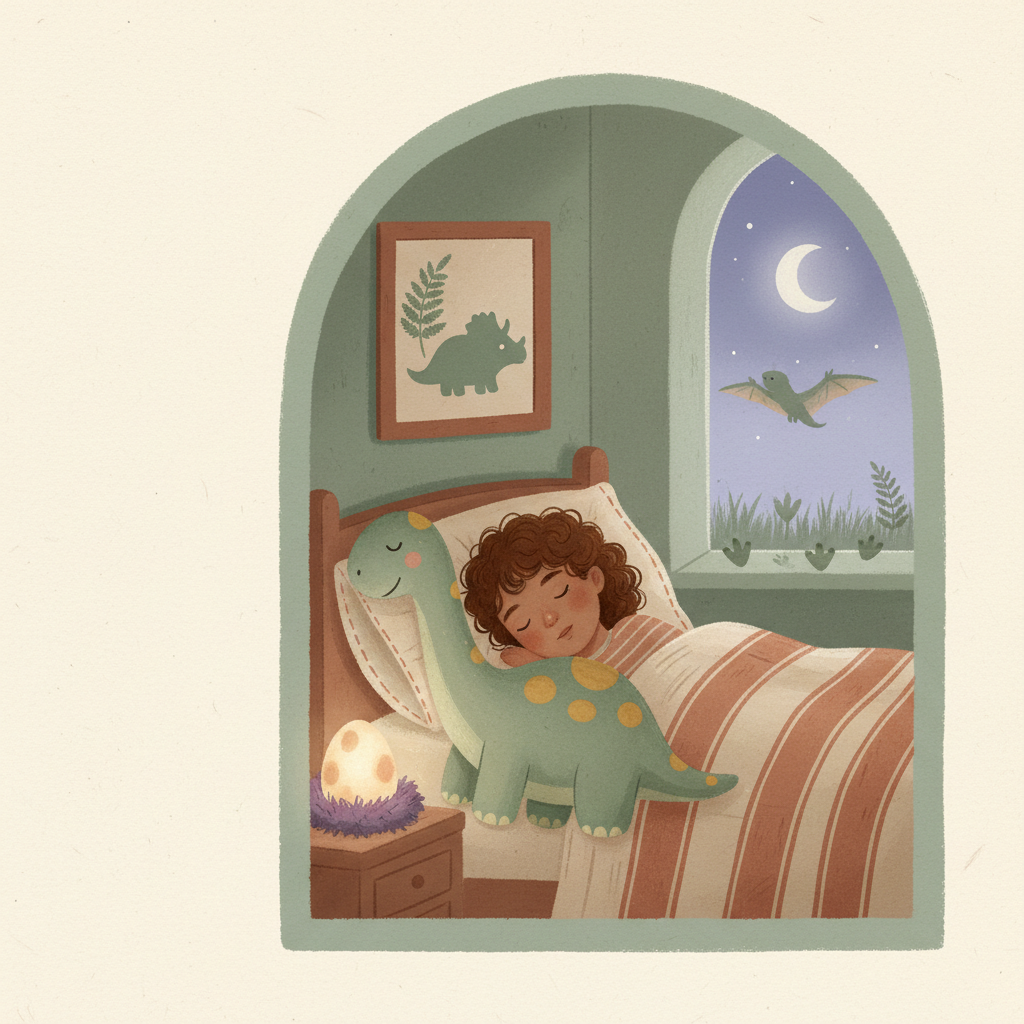
As parents, we're always searching for those special touches that transform bedtime from a nightly negotiation into a peaceful, anticipated ritual. For many families with children aged 3 to 7, a cherished stuffed animal becomes an indispensable part of this journey, a silent guardian offering comfort and companionship. If your little paleontologist has a favorite plush companion, you've already got a wonderful tool at your fingertips to enhance their evening wind-down.
Integrating a stuffed animal into your child's bedtime routine isn't just about cuteness; it's about leveraging a powerful psychological anchor that provides security and predictability. Let's explore how this simple, soft friend can become a key player in fostering calmer nights for your tiny T-rex fan.
The Power of Comfort Objects: More Than Just a Toy
What makes a simple stuffed animal such a vital presence for children, especially at bedtime? Pediatric experts often highlight the role of "transitional objects" in a child's development. According to the American Academy of Pediatrics (AAP), these comfort items – whether a blanket, a pacifier, or a beloved stuffed animal – can help children transition from dependence to independence by providing a sense of security, especially during times of change or stress, like separating from parents at night https://healthychildren.org/English/ages-stages/toddler/Pages/Comfort-Objects-and-Why-Your-Child-Needs-One.aspx. Think of it as a tangible piece of home and love that stays with them.
These objects offer a consistent presence, which is particularly reassuring as children navigate the big world around them and the quiet solitude of their bed. The familiar scent, texture, and even the "personality" a child assigns to their stuffed friend can be incredibly soothing. The Sleep Foundation notes that comfort objects can play a significant role in helping children develop self-soothing skills, which are essential for falling asleep and returning to sleep if they wake during the night https://www.sleepfoundation.org/children-and-sleep/comfort-objects.
Weaving Stuffed Animals into Your Evening Ritual
Creating a structured and comforting bedtime routine is widely recognized by experts as beneficial for children's sleep. The National Institutes of Health (NIH) emphasizes that consistent bedtime routines help signal to a child's brain and body that it's time to wind down and prepare for sleep https://www.nih.gov/news-events/news-releases/sleep-routines-critical-childhood-development. A stuffed animal can be a wonderful, engaging element within this framework.
Here are some gentle ways many families involve their child's plush pal:
- The "Goodnight" Tour: Before tucking in, have your child and their stuffed animal say goodnight to a few favorite items in their room, like the bookshelves, a window, or a special lamp. This helps establish a sense of closure for the day.
- Storytime Listener: Let the stuffed animal "listen" to the bedtime story alongside your child. This can make storytime feel more inclusive and cozy. Some parents even give the stuffed animal a voice during the story, asking a simple question or making a silly comment to engage their child further.
- Sleepy Stretches Buddy: Encourage your child to do some gentle, pre-sleep stretches with their stuffed animal. "Can Dino stretch his arms up high like this? Now can he touch his toes?" This can be a playful way to release residual energy.
- "Tuck-in" Practice: Involve the stuffed animal in the actual tuck-in process. Your child can tuck their friend into bed first, demonstrating how they will then be tucked in themselves. This can be particularly helpful for children who are hesitant about getting into bed alone.
Fostering Independence and Security
While comfort objects provide reassurance, they also subtly support a child's growing independence. They bridge the gap between the comforting presence of a parent and the quiet solitude of sleep. Pediatric experts often suggest that a comfort object can serve as a substitute source of security when parents aren't physically present, allowing children to feel safe enough to fall asleep on their own, according to the American Academy of Pediatrics https://www.healthychildren.org/English/ages-stages/toddler/Pages/Comfort-Objects-and-Why-Your-Child-Needs-One.aspx.
"A consistent and predictable bedtime routine, including the presence of a beloved comfort object, provides a crucial sense of security for young children, helping them navigate the transition from a busy day to peaceful sleep." – The Sleep Foundation
For children who may experience occasional bedtime worries or fears of the dark, a loyal stuffed animal can be a powerful ally. Its presence offers a constant, familiar point of comfort. For more on navigating bedtime fears, you might find our post on Shedding Gentle Light: Navigating Night Lights for Your Little One's Sleep helpful, or explore ideas in Magical Monster Spray Bedtime Rituals for Calmer Evenings.
Practical Tips for Stuffed Animal Care and Integration
To ensure your child's stuffed animal remains a positive and hygienic part of their bedtime routine, a few practical considerations can be helpful:
- Regular Cleaning: Depending on how well-loved (and how sticky) the stuffed animal becomes, regular cleaning is important. Check the care tag, but many can be gently spot cleaned or even put in a pillowcase and washed on a delicate cycle. A clean friend is a happy, healthy friend!
- Designate "Sleep Friends": Some families find it helpful to have specific stuffed animals that only come to bed, while others are for daytime play. This can help create a clearer distinction between play and sleep time.
- Travel Companions: If you travel, your child's comfort object can be an invaluable source of familiarity and security in new environments. Just remember to keep track of it!
- Respect Their Attachment: Even if it seems like "just a toy" to us, to your child, it's a very real companion. Respect their bond and allow them to nurture this relationship. This helps reinforce their sense of agency and comfort.
Remember, the goal is to create a soothing and predictable environment that supports natural sleep, and a cherished stuffed animal can be a wonderful, gentle addition to this process.
When Stuffed Animals Help with Transitions
Life with a little one is full of transitions, and these changes can sometimes unsettle bedtime. Whether it's starting a new school, moving to a new house, or even just a change in daycare, children often look for extra comfort during these periods. A stuffed animal, as a familiar and unchanging presence, can be incredibly grounding.
Pediatric psychology experts often point out that transitional objects can absorb some of the anxiety associated with new experiences, offering a safe emotional outlet for a child. Carrying their stuffed animal into a new situation, or having it waiting in their bed, can provide a quiet reassurance that some things remain constant and safe, even when the world around them is shifting. This makes their plush companion more than just a toy; it becomes a symbol of enduring security in an ever-changing world.
The "Little Dreaming Dino" Connection
As you craft these calm, comforting routines for your little one, consider adding another gentle layer of peace. The Little Dreaming Dino app offers a calm 60-second bedtime ritual specifically designed for dinosaur-loving kids. It's a wonderful, quiet moment to share as part of your wind-down, perfectly complementing the snuggles with their favorite stuffed animal. We invite you to explore this special way to end the day and join our waitlist.
Gentle Reminder
This content is for educational purposes only and is not intended to be a substitute for professional medical advice, description, or approaches. Always seek the advice of your pediatrician or other qualified health provider with any questions you may have regarding a medical condition or before undertaking any new health regimen for your child. If you have concerns about your child's sleep, behavior, or overall health, please consult your healthcare provider.
Sources
Little Dreaming Dino
A calm 60-second bedtime ritual for dinosaur-loving little ones.
Parent-led, screen-soft, and made for 3–7 year olds who'd rather hear about a sleepy brontosaurus than brush their teeth.
Sources
- Comfort Objects and Why Your Child Needs One — American Academy of Pediatrics
- Comfort Objects — The Sleep Foundation
- Sleep routines critical for childhood development — National Institutes of Health
Educational content only. Not medical advice. Please consult your pediatrician about sleep concerns.