
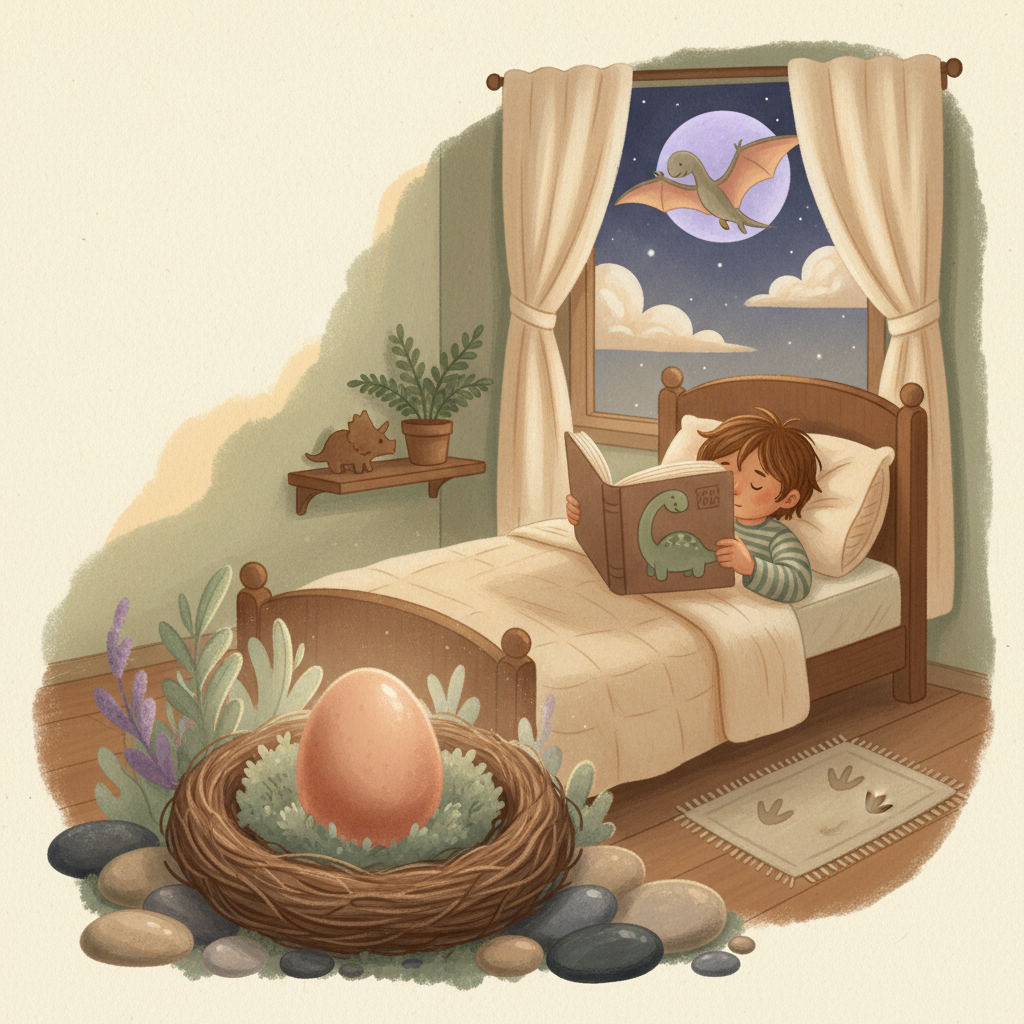
Guiding Your 7-Year-Old to Bed: A Calm Approach
Getting a 7-year-old ready for bed can sometimes feel like navigating a prehistoric landscape – full of exciting discoveries and occasional roars. At this age, children are growing rapidly, both physically and intellectually, and their sleep needs evolve too. They're becoming more independent, developing stronger opinions, and often have a busy day packed with school, friends, and new interests. This newfound complexity can sometimes make the transition to sleep a bit more challenging for both them and for you, dear parent.
While every child is unique, understanding the typical sleep patterns and developmental milestones of 7-year-olds can offer a helpful roadmap. Our goal isn't to "fix" anything, but rather to gently guide your child towards a predictable and peaceful bedtime routine that supports their growth and well-being. Let's explore some calm, expert-backed approaches to make evenings a little smoother for your little paleontologist.
Understanding Your 7-Year-Old's Sleep Needs
As children grow, their sleep requirements shift. While toddlers might need 11-14 hours, a 7-year-old typically needs a bit less, but quality sleep remains paramount for their development, mood, and learning. According to the American Academy of Sleep Medicine, children aged 6 to 12 years should ideally sleep 9 to 12 hours per 24 hours, including naps, though most 7-year-olds have outgrown regular daytime naps. Consistent, adequate sleep is foundational for their physical health, emotional regulation, and academic performance.
During this stage, your child's brain is busy consolidating memories and processing the day's events. A lack of sufficient sleep can manifest in various ways, from difficulty concentrating at school to increased irritability or hyperactivity. Pediatric experts often suggest that a regular sleep schedule, even on weekends, can significantly contribute to a child's overall well-being. The Sleep Foundation emphasizes the importance of routine in signaling to a child's body that it's time to wind down, creating a consistent rhythm that supports healthy sleep cycles. This means aiming for similar bedtimes and wake-up times each day, which helps regulate their internal body clock.
Crafting a Peaceful Bedtime Routine
A predictable and calming bedtime routine is a powerful tool for helping your 7-year-old transition from the day's excitement to a state of rest. This isn't just about brushing teeth and putting on pajamas; it's about creating a sequence of quiet activities that signals to their brain and body that sleep is approaching. Many families find that a routine lasting 20-45 minutes works well, allowing enough time for relaxation without becoming too drawn out. As the Cleveland Clinic notes, a consistent routine can make a significant difference in how easily a child falls asleep.
Consider incorporating activities that are naturally soothing. This might include a warm bath, reading together, quiet conversation about their day, or listening to gentle music. Avoid stimulating activities like active play, screen time, or sugary snacks in the hour or two leading up to bed. The blue light emitted from screens, in particular, can interfere with the body's natural production of melatonin, the hormone that helps regulate sleep. The American Academy of Pediatrics consistently advises limiting screen exposure before bedtime to promote better sleep.
"Consistency is key to a successful bedtime routine. When children know what to expect, they feel more secure and are better able to relax into sleep."
At this age, involving your child in the creation of the routine can be very empowering. Let them choose their pajamas, pick the bedtime story, or decide the order of some of the activities. This fosters a sense of control and cooperation, making them more likely to embrace the routine rather than resist it. Remember, the goal is calm connection, not a battle of wills.
Optimizing the Sleep Environment
Just as a quiet, shaded spot helps a Brontosaurus nap peacefully, your 7-year-old's sleep environment plays a crucial role in the quality of their rest. A conducive sleep space is dark, quiet, and cool. Consider these elements:
- Darkness: Even a small amount of light can disrupt sleep. Blackout curtains can be very effective in blocking out streetlights or early morning sun. According to the National Institutes of Health, exposure to light at night can suppress melatonin production, making it harder to fall asleep and stay asleep. Ensure nightlights are dim and not directly in their line of sight.
- Quiet: Minimize noise disturbances. This might mean keeping the TV off in common areas, using a white noise machine to mask external sounds, or ensuring doors close softly. Some children find the gentle hum of a fan comforting.
- Cool Temperature: Most sleep experts suggest a room temperature between 60 and 67 degrees Fahrenheit (15-19 degrees Celsius) as ideal for sleep. Overheating can lead to restlessness and frequent waking.
- Comfort: Ensure their bed is comfortable, with appropriate pillows and bedding. A cluttered or messy room can sometimes contribute to a feeling of overstimulation, so encouraging tidiness, especially before bed, can be helpful.
Creating a "sleep sanctuary" helps your child associate their bedroom with rest and calm, rather than play or screen time. This distinction is important as they grow and their activities become more varied.
Addressing Common Bedtime Challenges
Even with the best routines and environments, 7-year-olds can still experience bedtime challenges. Common issues include "curtain calls" (coming out of their room repeatedly), fear of the dark, or worries that keep them awake. Many families find that acknowledging their child's feelings is the first step.
For curtain calls, a consistent and calm response is often effective. Briefly and gently escort them back to bed with minimal conversation. Reinforce the expectation that it's time for sleep. For fears, validate their feelings without dismissing them. "It sounds like you're feeling a bit scared of the dark tonight" can be more helpful than "There's nothing to be afraid of." A soft nightlight, a special "monster spray" (water in a spray bottle), or checking under the bed together can offer comfort. For worries, a "worry jar" where they write down or draw their concerns before bed can help them release these thoughts for the night. Pediatric experts often suggest that a brief, positive conversation earlier in the evening about the next day's plans can also alleviate anxieties about school or events.
Remember, consistency and patience are your most valuable tools here. It's a journey, not a sprint, and there will be nights that are smoother than others. Your tiny T-rex fan is still learning to navigate their big emotions and growing world. You may also find it helpful to review some strategies for Helping Your 7-Year-Old Find Peaceful Dino Dreams for additional guidance on common sleep disturbances at this age.
The Role of Daytime Habits
What happens during the day significantly impacts how easily your 7-year-old settles down at night. Active days often lead to more restful nights. Ensuring your child gets plenty of physical activity, preferably outdoors, can help expend their energy in a healthy way. The CDC recommends that children aged 6 to 17 years get 60 minutes or more of moderate-to-vigorous physical activity daily.
Nutrition also plays a role. While you don't need to drastically change their diet, being mindful of caffeine and sugar intake, especially in the afternoon and evening, can prevent overstimulation close to bedtime. Some families find that a light, healthy snack an hour or so before bed can prevent hunger from waking them, but heavy or sugary snacks should be avoided. The American Academy of Pediatrics (AAP) healthy lifestyle guidelines offer excellent guidance on balanced nutrition for children.
Finally, managing stress and emotional well-being during the day is critical. Seven-year-olds are increasingly aware of their social world and academic pressures. Open communication, a supportive home environment, and opportunities for creative expression can help them process their day and reduce evening anxieties. If your child seems particularly worried or anxious, talking to their pediatrician or a child development expert can offer additional support.
Gentle Reminder
This content is provided for educational purposes only and is not intended to be a substitute for professional medical advice, description, or approaches. Always seek the advice of your pediatrician or other qualified health provider with any questions you may have regarding a medical condition or before making any changes to your child's care plan. The guidance here is general; your pediatrician can offer advice tailored to your child's unique needs.
For a calm 60-second bedtime ritual app for dinosaur-loving kids, we warmly invite you to explore the Little Dreaming Dino app to add a soothing element to your family's evening routine.
Sources
- American Academy of Sleep Medicine via Sleep Foundation: How Much Sleep Do Children Need?
- Sleep Foundation: Children and Sleep
- Cleveland Clinic: Sleep for Kids
- American Academy of Pediatrics via HealthyChildren.org: Healthy Sleep Habits for All Ages
- National Institutes of Health: How Light Affects Sleep
- Centers for Disease Control and Prevention: Physical Activity for Children
- American Academy of Pediatrics via HealthyChildren.org: Nutrition
Little Dreaming Dino
A calm 60-second bedtime ritual for dinosaur-loving little ones.
Parent-led, screen-soft, and made for 3–7 year olds who'd rather hear about a sleepy brontosaurus than brush their teeth.
Sources
- https://www.sleepfoundation.org/children-and-sleep/how-much-sleep-do-children-need — American Academy of Sleep Medicine via Sleep Foundation
- https://www.sleepfoundation.org/children-and-sleep — Sleep Foundation
- https://my.clevelandclinic.org/health/articles/14441-sleep-for-kids — Cleveland Clinic
- https://www.healthychildren.org/English/healthy-living/sleep/Pages/Healthy-Sleep-Habits-for-All-Ages.aspx — American Academy of Pediatrics via HealthyChildren.org
- https://www.nih.gov/news-events/nih-research-matters/how-light-affects-sleep — National Institutes of Health
- https://www.cdc.gov/physicalactivity/basics/children/index.htm — Centers for Disease Control and Prevention
- https://www.healthychildren.org/English/healthy-living/nutrition/Pages/default.aspx — American Academy of Pediatrics via HealthyChildren.org
Educational content only. Not medical advice. Please consult your pediatrician about sleep concerns.