
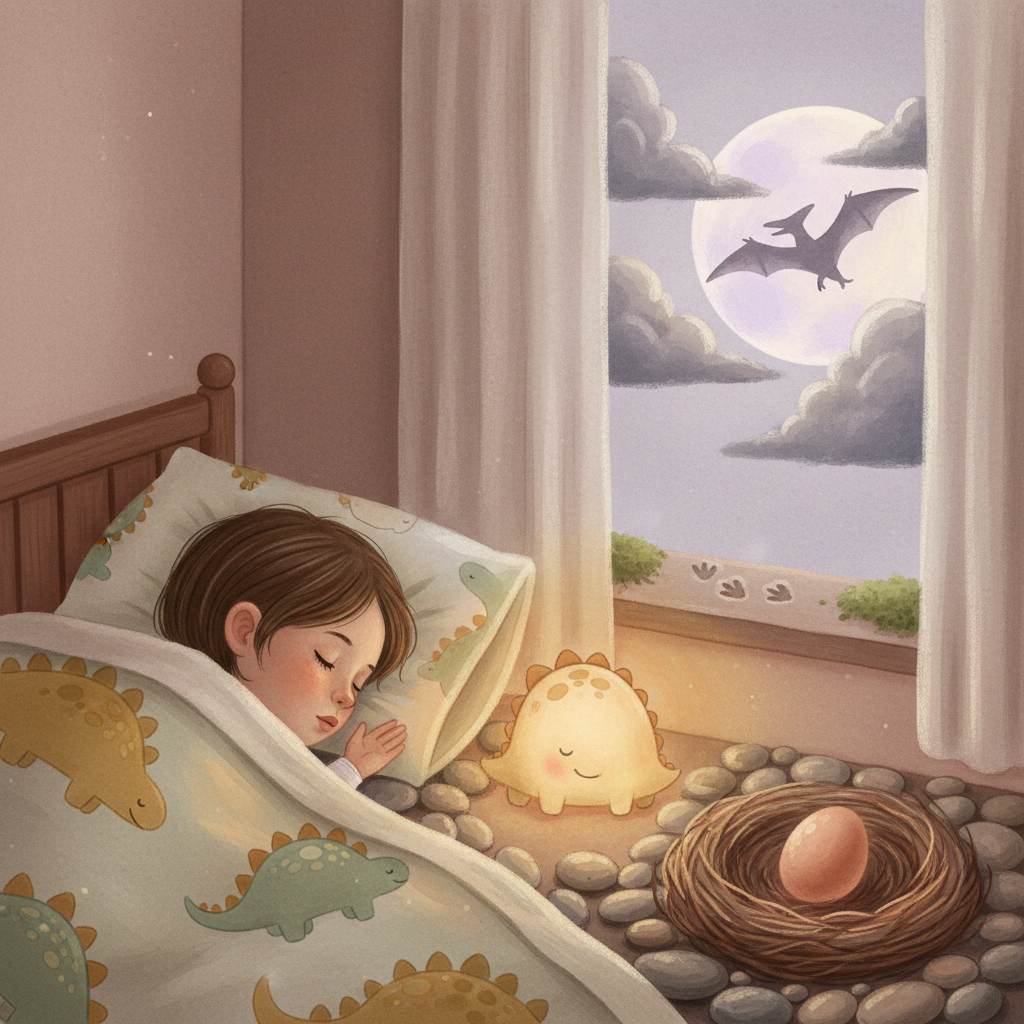
Helping Your 7-Year-Old Find Peaceful Dino Dreams
Your 7-year-old is navigating a world that feels bigger and more exciting every day. From school friendships to new activities, their minds are buzzing, and sometimes, this vibrant energy can make settling down for sleep a bit more challenging. As parents, we understand how important quality sleep is for their growth, learning, and overall happiness. If you're looking for gentle, effective ways to help your 7-year-old sleep, you've come to the right place.
Pediatric experts often highlight that children ages 6-12 years typically need 9-12 hours of sleep per 24-hour period to support optimal health. When sleep routines are disrupted, it can impact everything from their mood and concentration to their immune system. Let's explore some thoughtful strategies to encourage peaceful nights for your growing little one.
Understanding 7-Year-Old Sleep Patterns
Around the age of seven, children are developing rapidly, both physically and cognitively. This stage often brings new levels of independence, but it can also introduce new sleep challenges. According to the American Academy of Pediatrics, sufficient sleep is vital for a child's physical and mental health, academic performance, and emotional regulation [1]. Many families find that establishing a consistent routine becomes even more important as their children gain more autonomy.
One common shift at this age is an increased awareness of their surroundings and social dynamics, which can sometimes lead to worries or an overactive mind at bedtime. Children may also start to resist bedtime as they crave more independence or want to continue playing. The Sleep Foundation notes that school-aged children might experience a shift in their internal clocks, sometimes leading to later bedtimes and wake times if not managed with consistency [2]. Understanding these developmental changes can help parents tailor their approach.
"Consistency is not about rigidity, but about creating a predictable rhythm that signals to your child's body and mind that it's time to wind down."
It's also worth remembering that every child is unique, and what works for one tiny T-rex fan might need a gentle adjustment for another. Patience and observation are your best tools in navigating these evolving sleep landscapes.
Crafting a Calming Bedtime Routine
A consistent and calming bedtime routine is perhaps the most powerful tool in a parent's arsenal for helping a 7-year-old sleep. This isn't just about brushing teeth; it's about creating a predictable sequence of events that signals to your child's body and mind that sleep is approaching. The Centers for Disease Control and Prevention (CDC) emphasizes the importance of a regular bedtime routine for promoting healthy sleep in children [3].
For a 7-year-old, this routine can be around 30-60 minutes long and might include:
- A Warm Bath or Shower: The drop in body temperature after a warm soak can induce sleepiness.
- Reading Together: Sharing a story can be a wonderful way to connect and transition to a calmer state. Let your child choose a favorite book, or take turns reading pages.
- Quiet Play: Puzzles, drawing, or building with quiet blocks can be a good way to use up residual energy without overstimulating them.
- Gentle Conversation: This is a perfect time to talk about their day, address any small worries, or simply enjoy each other's company.
- Snack Time (if needed): A light, sleep-friendly snack like a banana or a small glass of milk can be helpful, but avoid sugary supports close to bedtime.
It's essential to keep screens out of the bedtime routine, as the blue light emitted from devices can interfere with melatonin production, the hormone that helps regulate sleep. Many pediatric experts suggest turning off all screens at least an hour before bed. This can be a challenge for modern families, but the benefits for sleep are significant. You can learn more about managing screen time for better sleep in our related post, A Calm Help 6 Year Old Sleep for Little Dino Fans.
Optimizing the Sleep Environment
The physical space where your child sleeps plays a crucial role in their ability to settle down and stay asleep. Creating a "sleep sanctuary" can make a big difference. The Sleep Foundation highlights several key elements of an optimal sleep environment for children:
- Darkness: Ensure the room is as dark as possible. Blackout curtains can be very effective, especially during longer daylight hours. Even small amounts of light can disrupt sleep.
- Quiet: Minimize noise. White noise machines or a fan can help mask household sounds and create a consistent, soothing background.
- Cool Temperature: Most experts agree that a cooler room (around 65-70°F or 18-21°C) is ideal for sleep. Overly warm rooms can make it difficult to fall and stay asleep.
- Comfort: A comfortable mattress and bedding are important. Ensure pajamas are soft and appropriate for the room temperature.
- Safety and Security: For a 7-year-old, this might mean a nightlight if they are prone to fear of the dark, or ensuring their favorite stuffed animal (perhaps a friendly brontosaurus!) is nearby for comfort.
Involving your child in creating this space can empower them and make them feel more invested in their bedtime routine. Let them pick out new pajamas or a special blanket, or help them arrange their books in their quiet corner. Remember, a space that feels calm and inviting can be a powerful cue for rest.
Addressing Common Sleep Challenges
Even with a perfect routine and environment, 7-year-olds can still encounter sleep bumps. Understanding how to gently navigate these can support their sleep journey.
Bedtime Resistance and Fears
As children grow, fears and anxieties can sometimes manifest at bedtime. They might worry about school, friends, or even imaginary monsters. The American Academy of Pediatrics offers guidance on addressing childhood fears, suggesting parents acknowledge feelings without dwelling on them [1]. Instead of dismissing a fear, validate it, and then offer reassurance and strategies. For example, "I hear you
Further reading from trusted pediatric sources:
A calm parent checklist
For families who want one practical place to start, keep the evening plan simple, repeatable, and easy for a tired child to recognize. The goal is not perfection. It is a steady rhythm: a quiet cue, a predictable order, and a gentle finish that parents can repeat most nights without turning bedtime into a long negotiation.
- Choose two or three steps that already fit your home.
- Keep the order familiar, even when the exact timing changes.
- Let the room, lights, and voice signal that the day is slowing down.
- Save big conversations, rough play, and stimulating choices for earlier in the evening.
For broader context, parents can compare their routine with trusted sleep education such as American Academy of Pediatrics. Little Dreaming Dino can sit inside that routine as a short, cozy dinosaur moment when families want a softer transition into the final part of the night.
Little Dreaming Dino
A calm 60-second bedtime ritual for dinosaur-loving little ones.
Parent-led, screen-soft, and made for 3–7 year olds who'd rather hear about a sleepy brontosaurus than brush their teeth.
Sources
- Sleep — American Academy of Pediatrics
- How Much Sleep Do Children Need? — The Sleep Foundation
- Children Need Sleep — Centers for Disease Control and Prevention
Educational content only. Not medical advice. Please consult your pediatrician about sleep concerns.