
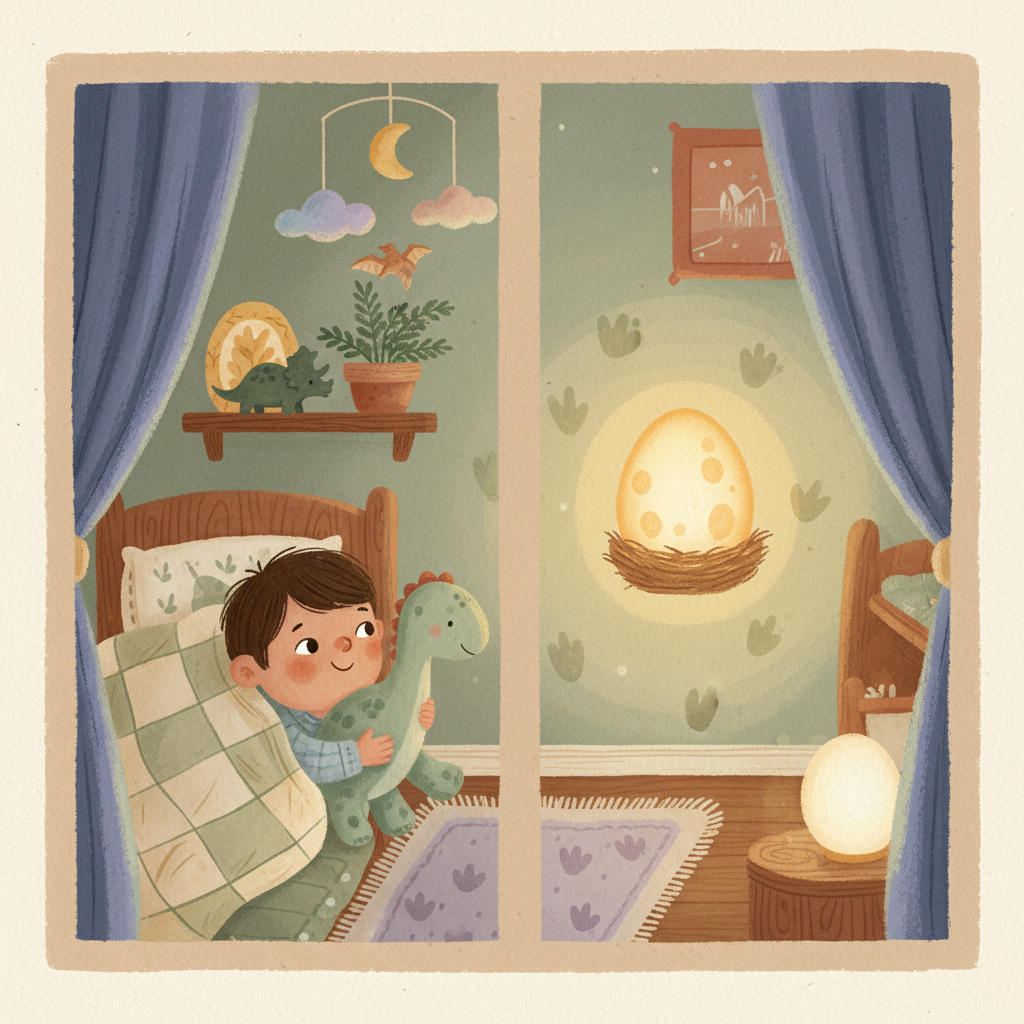
Shedding Light: Gentle Help for Fear of Dark Bedtime Worries
Navigating a child's fear of the dark at bedtime can be a tender challenge for many families. Those shadows and unfamiliar sounds can feel very real to a young mind, transforming a cozy room into a landscape of imagined monsters. It’s a common phase, particularly for little paleontologists aged three to seven, as their imaginations blossom and they begin to process the world around them in new ways. Seeing your little one distressed when the lights go out can be heartbreaking, but there are many warm and supportive strategies you can explore together to help them feel secure and brave. This post will delve into gentle, expert-backed ways to illuminate their fears with understanding and comfort.
Understanding the Shadows: Why the Dark Can Feel So Big
For young children, the dark isn't just an absence of light; it can be a canvas for their developing imaginations. What seems like a familiar toy during the day can, in the dimness, appear to take on an entirely different, perhaps even scary, shape. This natural stage of development often peaks between ages three and six, a time when children are actively constructing their understanding of the world and distinguishing between reality and fantasy, according to experts at the American Academy of Pediatrics (https://healthychildren.org/English/ages-stages/preschool/Pages/Nightmares-and-Night-Terrors.aspx).
Pediatric experts, such as those at the Cleveland Clinic, suggest that this fear can stem from a variety of factors. These might include an active imagination, exposure to scary stories or images, or even anxieties related to separation from parents. As your child grows, their cognitive abilities expand, allowing them to imagine threats that aren't actually present. This is a normal part of development, not a sign that something is wrong. Understanding this helps us approach their fears with empathy rather than dismissal. For more insights on general bedtime worries, you might find our post on A Calm Kids Scared At Bedtime for Little Dino Fans helpful.
"Fear of the dark is a common and normal developmental stage for many preschoolers and young school-aged children. It often reflects their growing imagination and understanding of the world, rather than a deeper problem." — The American Academy of Pediatrics (https://healthychildren.org/English/ages-stages/preschool/Pages/Nightmares-and-Night-Terrors.aspx)
Creating a Haven of Light and Comfort
One of the most immediate ways to address a child's fear of the dark is to gently introduce sources of comforting light into their sleeping space. This isn't about making the room bright, but rather dispelling the deepest, most unsettling shadows. Many families find that a soft nightlight, perhaps one that projects stars or has a gentle glow, can make a significant difference. The Sleep Foundation often suggests using a red or amber-hued nightlight, as these colors are thought to be less disruptive to sleep than blue or white light (https://www.sleepfoundation.org/children-and-sleep/night-lights).
Consider involving your little one in choosing their nightlight. This act of shared decision-making can give them a sense of control and empowerment over their sleep environment, transforming a scary place into "their" special, illuminated space. Some parents also find success with glow-in-the-dark stickers on the ceiling or walls, creating a constellation of friendly lights that fade as the night progresses. The goal is to create a welcoming, soft glow that reassures without overstimulating, helping them transition into a peaceful slumber.
Empowering Your Little One with Brave Strategies
Empowering your child means giving them tools and strategies to navigate their fears independently, with your loving support. Instead of simply telling them there's nothing to be afraid of, which can invalidate their feelings, try validating their fear and then offering solutions. For example, you might say, "I know those shadows can look a little spooky at night, but we can make them friendly."
Here are a few approaches many parents try:
- Monster Spray: Fill a spray bottle with water and add a drop or two of lavender essential oil (ensure it's child-safe and diluted appropriately). Label it "Monster Spray" and let your child "spray away" any lurking shadows before bed. This playful ritual gives them an active role in managing their fears.
- Shadow Puppets: Use a flashlight to create fun shadow puppets on the wall before bedtime. This can transform the idea of shadows from something scary into something fun and controllable. It helps them see shadows as harmless shapes they can manipulate.
- Safety Objects: Encourage your child to have a special stuffed animal or blanket that acts as their "brave buddy" or "dino protector." This beloved object can offer immense comfort and a sense of security during the night.
- Bedtime Check: Before tucking them in, do a "bedtime check" together. Open the closet, look under the bed, and show them that nothing scary is there. This ritual can be very reassuring, especially when done consistently. According to the Nationwide Children's Hospital, a consistent bedtime routine helps children feel safe and secure (https://www.nationwidechildrens.org/specialties/sleep-patterns-center/sleep-in-children/bedtime-routine).
By engaging with their fears in these gentle, imaginative ways, you help your child build resilience and self-efficacy. For further ideas on creating a supportive bedtime environment, explore our post on A Calm Positive Bedtime Routine Kids for Little Dino Fans.
The Power of a Consistent, Calming Bedtime Routine
A predictable bedtime routine is a cornerstone of good sleep hygiene and a powerful antidote to nighttime anxieties, including the fear of the dark. The National Institutes of Health (NIH) emphasizes the importance of a consistent routine to signal to a child's body and mind that it's time to wind down (https://www.www.nih.gov/news-events/news-releases/consistent-bedtime-routines-help-young-children-sleep-better-longer). This predictability offers a sense of security and control, which can be particularly soothing for a child wrestling with fears.
Consider incorporating elements that are inherently calming and reassuring:
- Warm Bath: A gentle, warm bath can be incredibly relaxing, signaling the transition from active play to quiet time.
- Quiet Play/Reading: Engage in a calm activity like reading a favorite book or quiet, imaginative play. Avoid overstimulating activities like energetic games or screen time close to bed.
- Cuddles and Conversation: Spend some dedicated time snuggling and talking about their day. This is a wonderful opportunity to gently discuss any worries they might have, offering reassurance without dwelling on scary topics.
- Storytelling: Craft a comforting story together, perhaps one where a brave little dinosaur overcomes a small challenge, or a tale about the magic of the night. This can help reframe their perception of the dark.
- Soft Lighting Transition: Gradually dim the lights in their room as bedtime approaches. This helps their body naturally produce melatonin, the sleep hormone, and gently prepares them for darkness.
A consistent routine helps create a sense of safety and allows your tiny T-rex fan to anticipate what comes next, reducing anxiety about the unknown. For more ideas on establishing a soothing evening ritual, take a look at A Gentle Bedtime Routine for Your Anxious Little One.
Communicating with Compassion and Patience
When your child expresses fear of the dark, how you respond can significantly impact how they process and eventually overcome that fear. It's crucial to approach their worries with genuine compassion and unwavering patience. Dismissing their feelings with phrases like "Don't be silly, there's nothing to be afraid of" can inadvertently make them feel misunderstood or ashamed of their emotions, potentially leading them to suppress their fears rather than confiding in you.
Instead, pediatric experts at the Mayo Clinic suggest validating their feelings first. You might say, "I understand that the dark can feel a little scary sometimes," or "It sounds like you're feeling a bit worried about the shadows." This acknowledges their experience and lets them know you hear them. Once validated, you can gently offer comfort and solutions. It's a bit like guiding a brontosaurus through a misty forest – you acknowledge the mist, then confidently lead the way to clearer paths.
Some helpful communication strategies include:
- Active Listening: Give your child your full attention when they express their fears. Ask open-ended questions like, "What do you imagine is hiding in the dark?" or "What about the dark feels most scary to you?" This helps you understand the specific nature of their fear.
- Reassurance, Not Dismissal: Reassure them of your presence and safety. "Mommy/Daddy is right here in the next room, and you are safe." This steady presence is often more powerful than any logical argument.
- Avoid Over-Discussing: While validating is important, try not to spend excessive time discussing the "monsters" or "scary things." Focus more on the solutions and comfort. After acknowledging the fear, gently pivot to the empowering strategies mentioned earlier.
- Role-Playing: During the day, engage in role-playing scenarios where a toy animal bravely faces a "friendly" shadow. This can be a lighthearted way to practice coping mechanisms.
Remember, overcoming fear is a journey, not a destination. There will be good nights and perhaps some challenging ones. Your calm, consistent, and compassionate presence is the most powerful tool in helping your child navigate their fear of the dark. For more on emotional support at bedtime, consider our article on A Calm Bedtime Affirmations For Kids for Little Dino Fans.
A Note on the Little Dreaming Dino App
Many families find comfort in establishing a truly soothing bedtime ritual. Our Little Dreaming Dino app offers a calm 60-second bedtime ritual app for dinosaur-loving kids, designed to be a gentle part of your wind-down routine. We invite you to explore its calming experience and join our waitlist.
Gentle reminder: This content is for educational and informational purposes only and is not intended as medical advice. Always consult with your pediatrician or a qualified healthcare professional regarding any questions or concerns about your child's sleep, behavior, or health.
Further reading from trusted pediatric sources:
Sources
Little Dreaming Dino
A calm 60-second bedtime ritual for dinosaur-loving little ones.
Parent-led, screen-soft, and made for 3–7 year olds who'd rather hear about a sleepy brontosaurus than brush their teeth.
Sources
- Nightmares and Night Terrors — American Academy of Pediatrics
- Night Lights — Sleep Foundation
- Consistent bedtime routines help young children sleep better, longer — National Institutes of Health
- The Importance of a Bedtime Routine — Nationwide Children's Hospital
Educational content only. Not medical advice. Please consult your pediatrician about sleep concerns.