
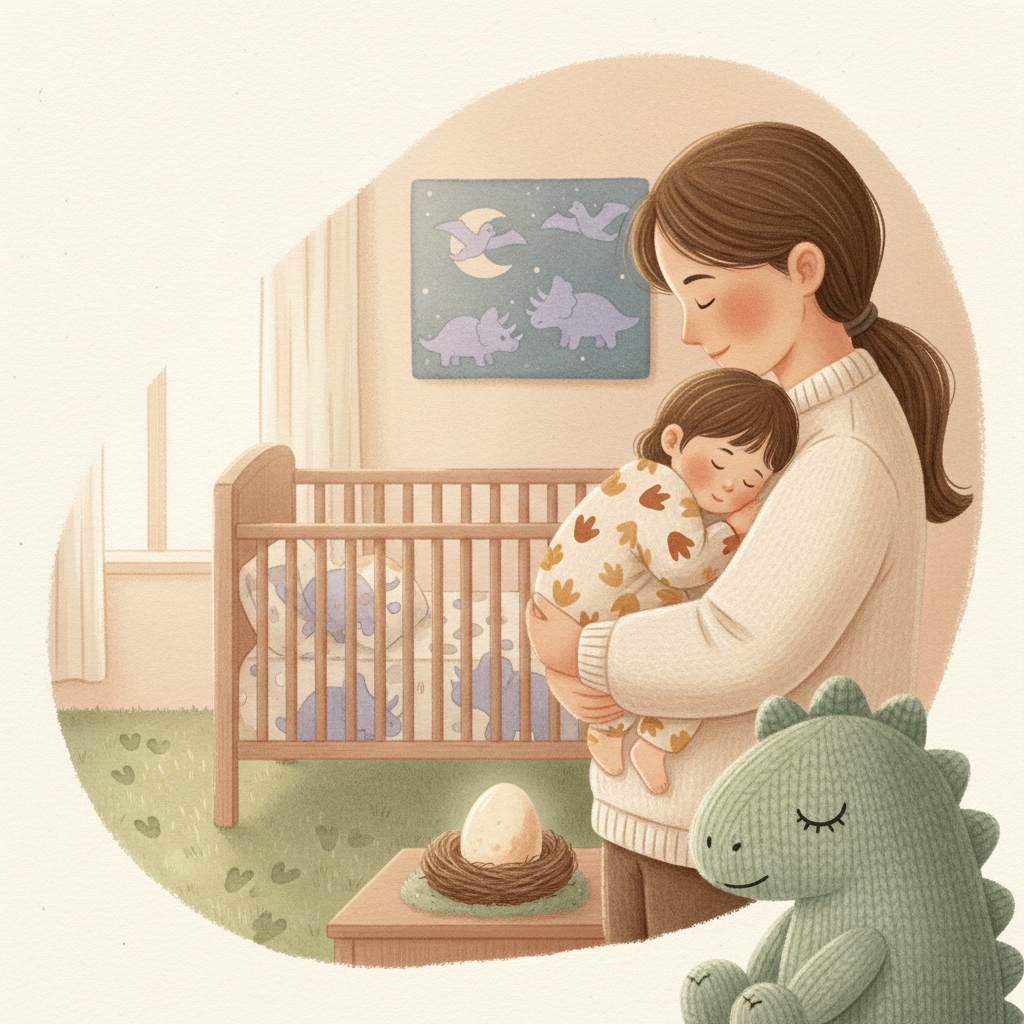
Navigating Bedtime Stress: A Gentle Guide for Parents
As parents, we all cherish the quiet moments of the day, but the journey to get there, especially bedtime, can sometimes feel more like a prehistoric struggle than a peaceful transition. If you've ever found yourself feeling the weight of bedtime stress, you are certainly not alone. Many families find that the end of the day brings its own unique set of challenges, from negotiating one more story to managing a tiny T-rex fan's last burst of energy.
Creating a calm and predictable bedtime routine is often highlighted by pediatric experts as a cornerstone of peaceful evenings. While the concept sounds simple, the reality of implementing it consistently amidst busy schedules and developmental leaps can be quite complex. Our goal here is to explore gentle, evidence-informed approaches to help parents navigate these moments with greater ease and confidence.
Understanding the Roots of Bedtime Stress
Bedtime stress for parents often stems from a combination of factors, including a child's natural resistance to sleep, parental exhaustion, and the pressure to ensure a child gets adequate rest. According to the American Academy of Pediatrics, sufficient sleep is crucial for children's physical and mental health, impacting everything from mood and attention to cognitive development [1].
Children's resistance to bedtime can manifest in various ways, such as protests, requests for water or snacks, or simply delaying tactics. Pediatric sleep experts suggest that children, especially those between 3 and 7, may be testing boundaries or seeking connection before separation for the night. Dr. Jodi Mindell, a research-backed psychologist specializing in pediatric sleep, emphasizes the importance of consistent routines to help children feel secure and understand what to expect [2].
Parents, on the other hand, often feel the cumulative stress of a long day, making them less patient during these nightly negotiations. The desire for a child to sleep well, coupled with the need for personal downtime, can create a cycle of frustration. Recognizing these underlying factors is the first step toward finding more peaceful ways forward.
Cultivating a Predictable Bedtime Routine
One of the most powerful tools in a parent's arsenal against bedtime stress is a consistent and calming routine. Pediatric experts widely agree that a predictable sequence of events leading up to sleep signals to a child's body and mind that it's time to wind down. The National Institutes of Health (NIH) points out that establishing a regular sleep schedule and bedtime routine can significantly improve sleep quality in children [3].
A typical routine might include:
- A warm bath: Many families find this a soothing transition.
- Quiet play or reading: Shifting away from stimulating activities like screens.
- Brushing teeth and PJs: Essential hygiene steps.
- Storytime: A beloved ritual for connection and imagination.
- Gentle cuddles or songs: A final, comforting moment.
"Consistency is not about perfection, but about creating a rhythm that your child can anticipate and rely on, fostering a sense of security and making the transition to sleep smoother."
The key is to keep the routine relatively short (around 20-45 minutes), consistent, and relaxing. Avoiding stimulating activities like energetic play or screen time in the hour before bed is often suggested by organizations like the American Academy of Pediatrics, as blue light from devices can interfere with melatonin production [1].
Gentle Strategies for Common Bedtime Hurdles
Even with a solid routine, children might still encounter hurdles. Many parents report their little paleontologists protesting, asking for "just one more thing," or experiencing bedtime fears. Addressing these gently and firmly can make a significant difference.
- Set Clear Boundaries: Experts from the Cleveland Clinic suggest that children thrive with clear boundaries. For example, deciding on the number of stories beforehand ("two stories, then sleep") and sticking to it can reduce negotiation [4].
- Address Fears: For children experiencing nighttime fears, acknowledging their feelings without dwelling on them can be helpful. A "monster spray" (water in a spray bottle) or a special "cuddle buddy" might offer comfort. The Sleep Foundation notes that acknowledging and validating a child's fears can help them feel understood and more secure [2].
- Stay Calm and Consistent: When a child resists or cries, maintaining a calm demeanor is often beneficial. Reacting with frustration can inadvertently prolong the struggle. Gently guiding them back to bed with minimal interaction can be an effective approach, as discussed in our post on When Your Child Refuses Bedtime.
- Positive Reinforcement: Praising your child for positive bedtime behaviors, even small ones, can encourage cooperation. Acknowledging their effort to settle down or stay in bed can reinforce desired actions.
Remember, every child is unique, and what works for one might need adjustment for another. The goal is to find what helps your child feel safe, loved, and ready for rest.
Prioritizing Parental Well-being
It's easy for parents to overlook their own needs when focusing on their child's sleep. However, parental exhaustion and stress can directly impact the bedtime dynamic. The Mayo Clinic emphasizes that parental stress can make it harder to remain patient and consistent, potentially escalating bedtime struggles [5].
Consider these strategies for nurturing your own well-being:
- Share the Load: If possible, taking turns with a partner for bedtime duties can provide much-needed respite.
- Mindful Moments: Even a few minutes of quiet breathing or a warm drink after your child is settled can help you decompress.
- Realistic Expectations: Not every night will be perfect. Some nights will be easier than others, and that's perfectly normal. Letting go of the expectation of a "perfect" bedtime every single night can alleviate self-imposed pressure.
- Seek Support: Talking to other parents, friends, or family about bedtime challenges can offer perspective and emotional support.
Prioritizing your own calm helps you bring a more peaceful presence to your child's bedtime, creating a ripple effect that benefits the entire family. Think of it as putting on your own oxygen mask first, so you can better assist your little brontosaurus.
When to Seek Additional Support
While many bedtime challenges are typical developmental phases, there are times when seeking guidance from a pediatric expert might be beneficial. If your child's sleep difficulties are severe, persistent, or accompanied by daytime behavioral issues, reaching out to your pediatrician is a wise step. They can help rule out underlying medical causes or provide referrals to sleep specialists if needed. The American Academy of Sleep Medicine provides comprehensive resources for identifying and addressing pediatric sleep concerns [6].
Persistent sleep deprivation in children can affect their growth, development, and mood, so addressing significant concerns proactively is important. Your pediatrician can offer tailored advice based on your child's individual needs and health history.
Gentle reminder: This content is for educational purposes only and is not intended to be a substitute for professional medical advice, description, or approaches. Always seek the advice of your pediatrician or other qualified health provider with any questions you may have regarding a medical condition or before making any decisions about your child's sleep, behavior, or health.
And as you guide your little one towards peaceful slumber, consider exploring the Little Dreaming Dino app – a calm 60-second bedtime ritual app for dinosaur-loving kids. It might just become a favorite part of your nightly wind-down.
Sources
- [1] American Academy of Pediatrics. (n.d.). Sleep. HealthyChildren.org. Available at: https://www.healthychildren.org/English/healthy-living/sleep/Pages/default.aspx
- [2] The Sleep Foundation. (n.d.). Children and Sleep. Available at: https://www.sleepfoundation.org/children-and-sleep/sleep-charts
- [3] National Institutes of Health. (2017, June 27). New evidence on regular bedtimes for young children. NIH Research Matters. Available at: https://www.nih.gov/news-events/nih-research-matters/new-evidence-regular-bedtimes-young-children
- [4] Cleveland Clinic. (2020, March 30). Sleep in Children: How Much Sleep Do Children Need?. My.ClevelandClinic.org. Available at: https://my.clevelandclinic.org/health/articles/14352-sleep-in-children
- [5] Mayo Clinic. (n.d.). Stress symptoms: Effects on your body and behavior. Available at: https://www.mayoclinic.org/healthy-lifestyle/stress-management/in-depth/stress-symptoms/art-20050800
- [6] American Academy of Sleep Medicine. (n.d.). Pediatric Sleep Resources. AASM.org. Available at: https://aasm.org
Little Dreaming Dino
A calm 60-second bedtime ritual for dinosaur-loving little ones.
Parent-led, screen-soft, and made for 3–7 year olds who'd rather hear about a sleepy brontosaurus than brush their teeth.
Sources
- https://www.healthychildren.org/English/healthy-living/sleep/Pages/default.aspx — American Academy of Pediatrics
- https://www.sleepfoundation.org/children-and-sleep/sleep-charts — The Sleep Foundation
- https://www.nih.gov/news-events/nih-research-matters/new-evidence-regular-bedtimes-young-children — National Institutes of Health
- https://my.clevelandclinic.org/health/articles/14352-sleep-in-children — Cleveland Clinic
- https://www.mayoclinic.org/healthy-lifestyle/stress-management/in-depth/stress-symptoms/art-20050800 — Mayo Clinic
Educational content only. Not medical advice. Please consult your pediatrician about sleep concerns.