
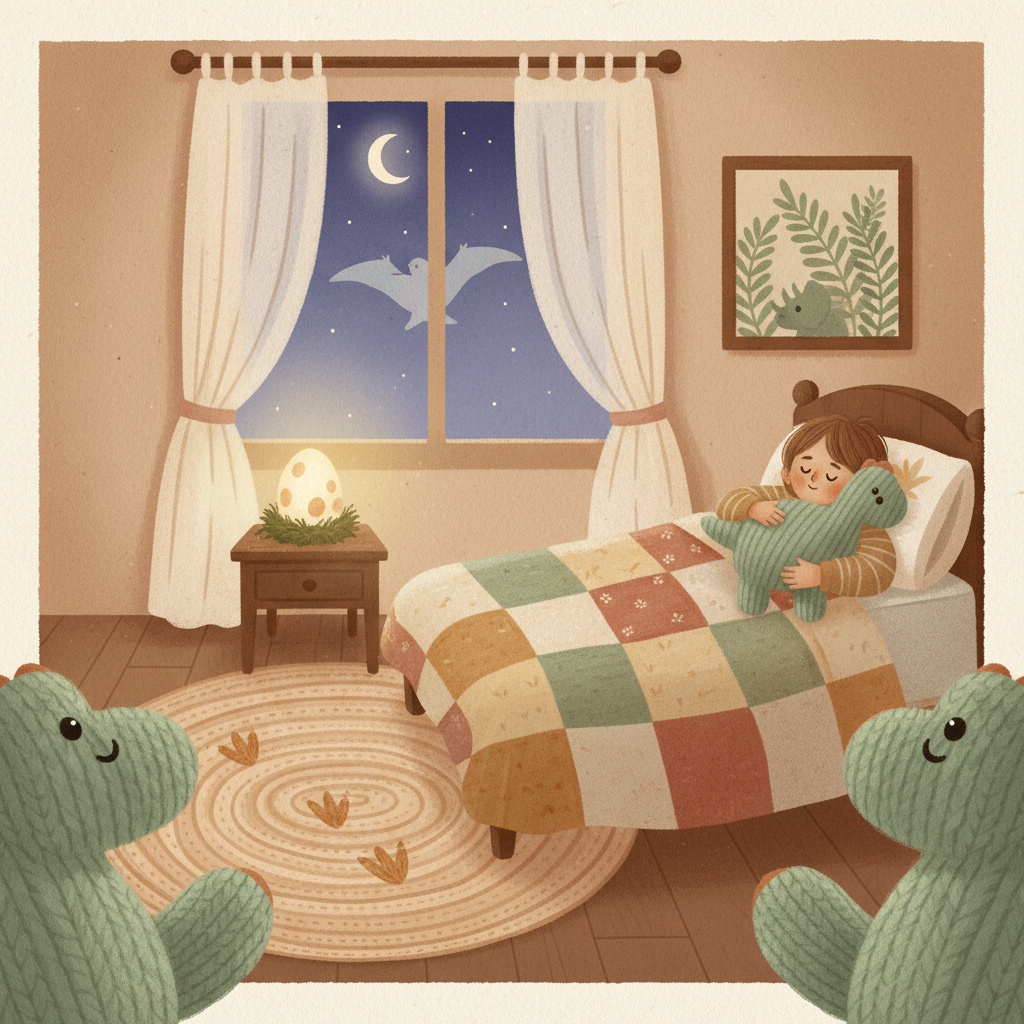
When Your Child Refuses Bedtime: Navigating the Nightly Roar
As parents, we cherish those quiet moments after our little ones are tucked in, but getting there can sometimes feel like navigating a primeval forest! If your child refuses bedtime, you're certainly not alone in this common parenting puzzle. That familiar protest, the pleas for "just five more minutes," or the outright refusal to even enter the bedroom can turn what should be a peaceful transition into a nightly struggle. It's a phase many families encounter, and understanding why it happens is the first step toward finding a calmer path to sleep.
Understanding the 'Why' Behind Bedtime Refusals
When your child — your tiny T-rex fan — digs in their heels about bedtime, it often stems from a few key areas. Pediatric experts frequently suggest that children's refusal to go to bed can be influenced by developmental stages, a need for autonomy, or even underlying sleep hygiene factors. It’s rarely about deliberately challenging you, but more about their own evolving world and how they perceive boundaries.
According to the American Academy of Pediatrics, children between 3 and 5 years old typically need 10 to 13 hours of sleep per 24 hours (including naps), and 6 to 12-year-olds need 9 to 12 hours. Establishing a consistent bedtime routine helps signal to their bodies that it’s time to wind down. When this routine is disrupted or not well-established, it can contribute to bedtime resistance [https://www.healthychildren.org/English/healthy-living/sleep/Pages/default.aspx].
Common reasons your child might be refusing bedtime often include:
- Fear of Missing Out (FOMO): The desire to stay up with parents or older siblings.
- Developmental Milestones: As children grow, their awareness of the world expands, sometimes leading to new fears (like fear of the dark) or a stronger sense of independence.
- Overtiredness: Counterintuitively, an overtired child can become hyperactive, making it harder for them to settle down. You can find more insights on this in our post about an overtired child who won't sleep.
- Lack of a Consistent Routine: Predictability provides comfort and signals the body to prepare for sleep.
- Testing Boundaries: As children develop, they naturally test limits to understand their world and their place within it.
Crafting a Peaceful Bedtime Routine
A consistent, calming bedtime routine is often highlighted by sleep specialists as one of the most effective tools for encouraging children to embrace sleep. It acts like a gentle, familiar pathway to dreamland, helping your child’s body and mind transition from the day’s activities to rest.
"Consistency and predictability help children feel safe and secure, which are essential ingredients for a good night's sleep," notes The Sleep Foundation [https://www.sleepfoundation.org/children-and-sleep/bedtime-routine].
Here are some elements many families find helpful to include in their evening ritual:
- Start Early: Begin the wind-down process about 30-60 minutes before you want your child to be asleep. This isn't just about brushing teeth; it's about shifting gears from active play to quiet reflection.
- Warm Bath: A soothing bath can be incredibly relaxing. The slight drop in body temperature afterward can signal to the body that it’s time for sleep.
- Quiet Activities: This is a time for calm. Reading books together, quiet puzzles, or gentle conversation can replace screen time, which experts at the Mayo Clinic suggest can interfere with sleep due to the blue light emitted from devices [https://www.mayoclinic.org/healthy-lifestyle/adult-health/in-depth/sleep-and-technology/art-20048431]. Consider a cozy story about a sleepy brontosaurus.
- Snuggle Time: A few minutes of affectionate snuggling and quiet reassurance can strengthen your bond and help your child feel secure.
- Dim the Lights: Lowering the lights in your home an hour or so before bed can help signal to your child’s body that it’s nighttime, encouraging natural melatonin production.
Remember, the goal isn't perfection, but consistency. Even on busy nights, trying to stick to the core elements of your routine can make a significant difference.
Empowering Your Child with Choices (Within Limits)
Part of why a child refuses bedtime can be a desire for control and autonomy. Offering limited, age-appropriate choices within the bedtime routine can often diminish resistance, as it allows them to feel a sense of agency without derailing the process.
Pediatric experts at Stanford Children's Health suggest that giving children a feeling of control, even over small things, can reduce power struggles. This approach fosters cooperation rather than confrontation [https://www.stanfordchildrens.org/en/topic/default?id=sleep-problems-in-preschoolers-90-P02194].
Consider these examples:
- "Would you like to wear the blue pajamas or the green ones tonight?"
- "Shall we read the book about the flying dinosaurs or the one about the ocean?"
- "Do you want to brush your teeth first, or put on your pajamas first?"
- "Would you like three stories or two tonight?"
By offering two acceptable options, you're guiding them towards bedtime while honoring their burgeoning independence. This can often transform a potential battle into a cooperative decision.
Addressing Common Bedtime Bumps
Even with the best routine, challenges can arise. Whether it's the "one more drink" plea or the sudden fear of monsters, having strategies in place can help you navigate these moments with calm and confidence.
-
The "One More" Game: Often, children will ask for "one more" of something – a drink, a trip to the bathroom, a story. To manage this, the Cleveland Clinic suggests preemptively addressing these needs as part of the routine. Offer a final drink of water before bed, and ensure they've used the bathroom. Explain that once tucked in, there will be no more requests until morning. Consistency here is key [https://my.clevelandclinic.org/health/articles/14418-sleep-and-children].
-
Nighttime Fears: For many young children, fears can emerge or intensify at night. Whether it's a fear of the dark or imaginary monsters, acknowledge their feelings without dismissing them. You might say, "I understand you're scared, and I'm here for you." Some parents find that a "monster spray" (water in a spray bottle) or a special "cuddle buddy" can offer comfort. Avoid reinforcing the fear, but validate their emotions.
-
Staying in Bed: If your child continually gets out of bed, a gentle, firm approach is often recommended. Without much conversation, calmly lead them back to bed each time. This communicates that bedtime means staying in bed. Consistency, again, is paramount for this strategy to be effective.
When to Consider Further Support
Most bedtime refusals are a normal part of child development and can be managed with consistent routines and gentle parenting strategies. However, if your child's sleep issues are significantly impacting their daily functioning, your family's well-being, or if you have concerns about underlying health matters, it’s always wise to consult with your pediatrician. They can offer personalized guidance and rule out any medical reasons for sleep difficulties.
For example, if you find your child is consistently overtired despite ample opportunity for sleep, or if they often have trouble falling asleep even when they appear sleepy, these might be points to discuss. The National Institutes of Health provides general information on various aspects of child health and development, including sleep, and reinforces the importance of consulting healthcare professionals for specific concerns [https://www.nih.gov/].
Gentle reminder: This article is intended for educational purposes only and is not a substitute for professional medical advice, description, or approaches. Always seek the advice of your pediatrician or other qualified health provider with any questions you may have regarding a medical condition or the sleep or health of your child.
Finding a calm, consistent rhythm for bedtime can feel like a big adventure, but it’s one that brings immense rewards for the whole family. As you navigate the nightly roar of bedtime refusals, remember that each step you take to foster peace and predictability is building a foundation for restful nights. To help make your evening routine even smoother, consider trying the Little Dreaming Dino app, a calm 60-second bedtime ritual app for dinosaur-loving kids.
Sources
Little Dreaming Dino
A calm 60-second bedtime ritual for dinosaur-loving little ones.
Parent-led, screen-soft, and made for 3–7 year olds who'd rather hear about a sleepy brontosaurus than brush their teeth.
Sources
- Healthy Sleep — American Academy of Pediatrics
- Bedtime Routine for Children — The Sleep Foundation
- Sleep and technology: Fumbling in the dark for a good night's rest — Mayo Clinic
- Sleep Problems in Preschoolers — Stanford Children's Health
- Sleep and Children — Cleveland Clinic
- National Institutes of Health — National Institutes of Health
Educational content only. Not medical advice. Please consult your pediatrician about sleep concerns.