Navigating Sleep Challenges with Your 4-Year-Old Dino-Fan
As parents, we often cherish the quiet moments after our little ones are tucked in, dreaming of prehistoric adventures. But what happens when those peaceful evenings are disrupted by a 4-year-old who struggles to fall asleep or wakes frequently? It's a common scenario that can leave even the most patient parents feeling a little… extinct. Navigating sleep problems in 4-year-olds requires a blend of understanding their developmental stage and applying gentle, consistent strategies.
At four, your little paleontologist is blossoming with independence, imagination, and a burgeoning sense of the world around them. This exciting growth can sometimes spill over into their sleep patterns, creating new challenges that might not have been present even a year ago. Remember, you're not alone in these nightly navigations; many families experience these shifts.
Understanding Your 4-Year-Old's Sleep World
Around age four, children typically need about 10 to 13 hours of sleep per 24-hour period, including naps, though many at this age begin to drop their daytime nap. According to the American Academy of Pediatrics (AAP), consistent bedtimes and wake times are vital for promoting healthy sleep habits [https://www.healthychildren.org/English/healthy-living/sleep/Pages/Healthy-Sleep-Habits-for-Children.aspx]. This age is also a period of immense cognitive development, which can impact sleep.
"Preschoolers are becoming more aware of their surroundings, including fears and anxieties, which can manifest at bedtime," explains the Cleveland Clinic [https://my.clevelandclinic.org/health/articles/14309-sleep-problems-in-children]. Their vivid imaginations, while wonderful for play, can sometimes conjure up monsters under the bed or fears of the dark, making it harder for them to settle down.
Developmentally, 4-year-olds are also testing boundaries and asserting their will. This can lead to resistance at bedtime, including pleas for "just one more story" or repeated trips out of bed. While this is a normal part of their growing independence, addressing it calmly and consistently can help maintain a predictable sleep environment.
Common Sleep Challenges at Age Four
While every child is unique, several sleep challenges tend to surface or intensify around the age of four. Recognizing these can be the first step toward finding gentle approaches that might work for your family.
- Bedtime Resistance: Your child might stall, make excuses, or simply refuse to get into bed. This can be a power struggle as they assert their independence. Consistency and clear expectations, as outlined by the Sleep Foundation [https://www.sleepfoundation.org/children-and-sleep/sleep-problems-in-preschoolers], can be key in navigating this.
- Night Wakings: While many toddlers sleep through the night, some 4-year-olds might start waking again. This could be due to nightmares, night terrors, or simply needing reassurance. The National Institutes of Health (NIH) suggests that keeping a child's bedroom dark, quiet, and cool can help minimize disruptions [https://www.nih.gov/news-events/news-releases/researchers-identify-sleep-guidelines-infants-children].
- Nightmares and Night Terrors: These are distinct phenomena. Nightmares typically occur during REM sleep in the latter half of the night, and children often remember them and can be comforted. Night terrors, on the other hand, usually happen earlier in the night during non-REM sleep, and children often appear very distressed but are not truly awake and won't remember the event. Pediatric experts at Stanford Children's Health note that night terrors are generally outgrown and usually do not indicate an underlying problem [https://www.stanfordchildrens.org/en/topic/default?id=sleep-problems-in-children-90-P02235].
- Difficulty Falling Asleep (Sleep Onset Latency): Some children simply take a long time to fall asleep, even when tired. This can sometimes be linked to an overstimulating evening or a lack of a calming wind-down routine.
"A consistent, predictable bedtime routine is one of the most powerful tools parents have for helping young children settle down and prepare for sleep," advises the American Academy of Pediatrics [https://www.healthychildren.org/English/healthy-living/sleep/Pages/Healthy-Sleep-Habits-for-Children.aspx].
Cultivating a Peaceful Bedtime Routine
A calm, consistent bedtime routine is often highlighted by pediatric experts as foundational for healthy sleep. Think of it as a gentle ramp guiding your little dino-fan from their active day into a peaceful night. Here are some elements many families find helpful:
- Start Early: Begin your wind-down routine 30-60 minutes before desired bedtime. This allows ample time for calming activities without rushing.
- Consistency is Key: Doing the same activities in the same order each night signals to your child's body and brain that sleep is approaching. This predictability can be immensely reassuring for a 4-year-old.
- Warm Bath: A warm bath can be relaxing and helps to lower body temperature afterward, which is conducive to sleep, according to the Sleep Foundation [https://www.sleepfoundation.org/children-and-sleep].
- Quiet Activities: Reading books (perhaps about gentle herbivore dinosaurs!), quiet puzzles, or soft drawing can replace energetic play. Avoid screens (TV, tablets, phones) for at least an hour before bed, as the blue light can interfere with melatonin production [https://www.mayoclinic.org/healthy-lifestyle/childrens-health/in-depth/sleep/art-20046535].
- Dim the Lights: Gradually dimming lights in the evening can help your child's body naturally produce melatonin, the sleep hormone.
- Comfort and Cuddles: A few minutes of quiet snuggling and positive connection can help your child feel secure and loved, reducing anxieties that might surface at bedtime.
For more ideas on creating a soothing evening, you might find our post on A Calm Bedtime Problems Preschoolers for Little Dino Fans helpful.
Addressing Specific Challenges with Gentle Strategies
Once you have a solid routine in place, you can gently address specific sleep challenges.
For Bedtime Resistance:
- Offer Limited Choices: Instead of "Go to bed," try "Do you want to wear your stegosaurus pajamas or your triceratops pajamas tonight?" This gives them a sense of control within established boundaries.
- Use a Timer: A visual timer can help a child understand when play time ends and bedtime prep begins. When the timer goes off, it's time for the next step, not a parent's arbitrary command.
- "One More" Requests: Many parents find success with a "ticket" system or simply stating, "This is our last book/song/hug." Stick to it gently but firmly. The Cleveland Clinic emphasizes the importance of consistent limit-setting [https://my.clevelandclinic.org/health/articles/14309-sleep-problems-in-children].
For Night Wakings, Nightmares, and Night Terrors:
- Comfort and Reassurance (Nightmares): If your child wakes from a nightmare, offer comfort. Remind them it was a dream, the monsters aren't real, and they are safe. A favorite stuffed dinosaur can be a brave guardian.
- Don't Engage (Night Terrors): If it's a night terror, avoid waking your child fully. Simply ensure they are safe and wait for it to pass. They generally won't remember it in the morning.
- Check the Environment: Ensure the room is dark, quiet, and at a comfortable temperature. The CDC recommends a cool room for optimal sleep [https://www.cdc.gov/sleep/about_sleep/sleep_hygiene.html].
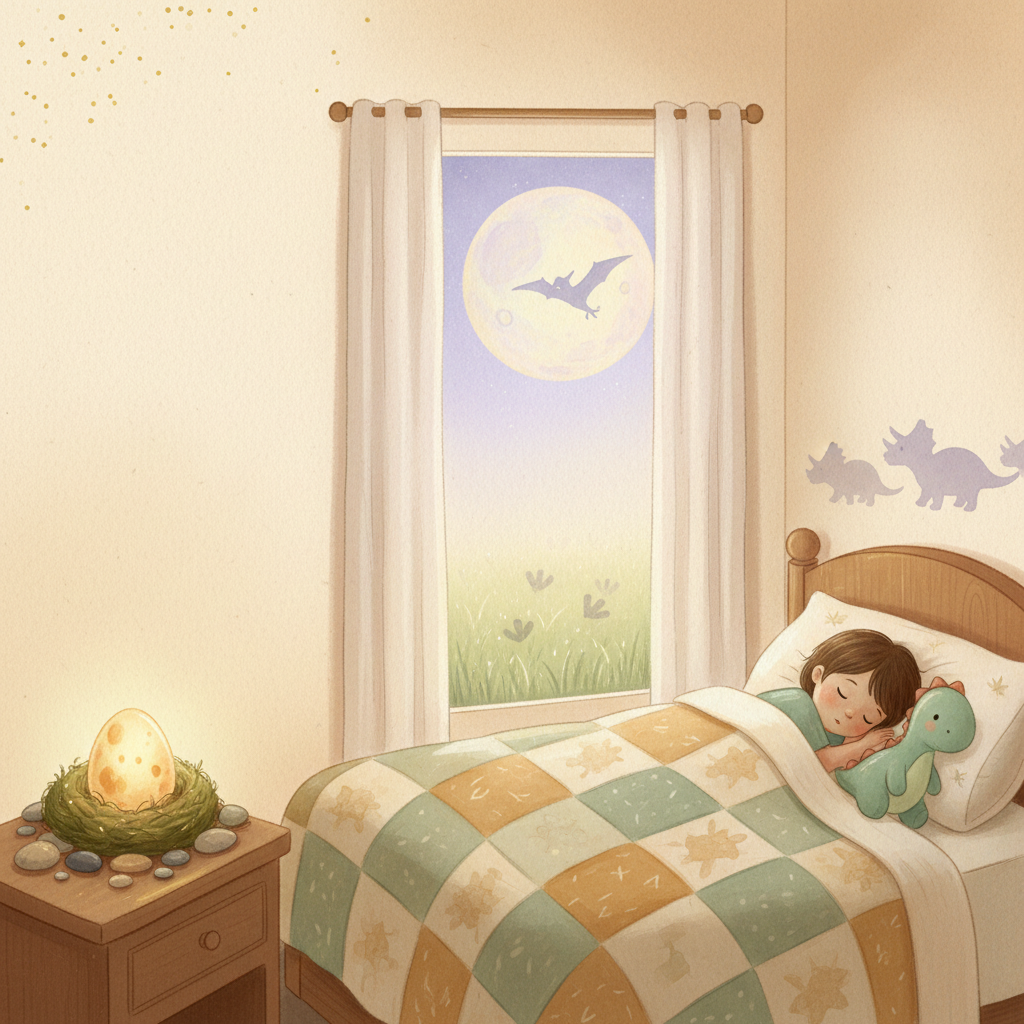
- Night Light: A very dim night light can help if your child is afraid of the dark, but avoid bright lights that might disrupt sleep hormones.
For Difficulty Falling Asleep:
- Evaluate Naps: If your 4-year-old is still napping, consider whether the nap is too long or too late in the day. Many children this age are ready to drop their nap or shorten it considerably. The AAP suggests that naps that are too long or too close to bedtime can interfere with nighttime sleep [https://www.healthychildren.org/English/healthy-living/sleep/Pages/Healthy-Sleep-Habits-for-Children.aspx].
- Review Daily Activity: Ensure your child is getting enough physical activity during the day. A tired body often sleeps better, but avoid intense play right before bed.
- Mindful Wind-Down: Double-check that your routine is genuinely calming. Sometimes, even "quiet" activities can be too stimulating if they involve too much interaction or excitement.
When to Seek Further Guidance
Most sleep challenges in 4-year-olds can be managed with consistent routines and gentle behavioral strategies. However, there are times when it's wise to reach out for additional support. The American Academy of Pediatrics suggests consulting your pediatrician if sleep problems are severe, persistent, or accompanied by other concerning symptoms such as loud snoring, pauses in breathing, or excessive daytime sleepiness [https://www.healthychildren.org/English/healthy-living/sleep/Pages/Healthy-Sleep-Habits-for-Children.aspx]. These could be signs of underlying medical conditions that a professional can help evaluate.
Your pediatrician can offer personalized guidance and rule out any health factors that might be contributing to your child's sleep difficulties. They can also help you determine if your child's sleep patterns are within typical developmental ranges or if further exploration is needed.
Gentle reminder: This content is for informational and educational purposes only and is not intended as medical advice. Always consult with your pediatrician or another qualified healthcare provider regarding any questions or concerns you have about your child's sleep, behavior, or overall health. They are the best resource for personalized guidance.
As you embark on this journey of fostering peaceful sleep for your tiny T-rex fan, remember that progress is often gradual, like a gentle brontosaurus grazing. Every step, no matter how small, moves you closer to calmer nights. If you're looking for a calm 60-second bedtime ritual app for dinosaur-loving kids, consider trying the Little Dreaming Dino app to add a soothing touch to your evening routine.
Sources
- [https://www.healthychildren.org/English/healthy-living/sleep/Pages/Healthy-Sleep-Habits-for-Children.aspx](American Academy of Pediatrics)
- [https://my.clevelandclinic.org/health/articles/14309-sleep-problems-in-children](Cleveland Clinic)
- [https://www.sleepfoundation.org/children-and-sleep/sleep-problems-in-preschoolers](Sleep Foundation)
- [https://www.nih.gov/news-events/news-releases/researchers-identify-sleep-guidelines-infants-children](National Institutes of Health)
- [https://www.stanfordchildrens.org/en/topic/default?id=sleep-problems-in-children-90-P02235](Stanford Children's Health)
- [https://www.mayoclinic.org/healthy-lifestyle/childrens-health/in-depth/sleep/art-20046535](Mayo Clinic)
- [https://www.cdc.gov/sleep/about_sleep/sleep_hygiene.html](Centers for Disease Control and Prevention)
Little Dreaming Dino
A calm 60-second bedtime ritual for dinosaur-loving little ones.
Parent-led, screen-soft, and made for 3–7 year olds who'd rather hear about a sleepy brontosaurus than brush their teeth.
Sources
- Healthy Sleep Habits for Children — American Academy of Pediatrics
- Sleep Problems in Children — Cleveland Clinic
- Sleep Problems in Preschoolers — Sleep Foundation
- Researchers Identify Sleep Guidelines for Infants, Children — National Institutes of Health
- Sleep Problems in Children — Stanford Children's Health
- Children and sleep: How much do kids need? — Mayo Clinic
- Sleep Hygiene Tips — Centers for Disease Control and Prevention
Educational content only. Not medical advice. Please consult your pediatrician about sleep concerns.