
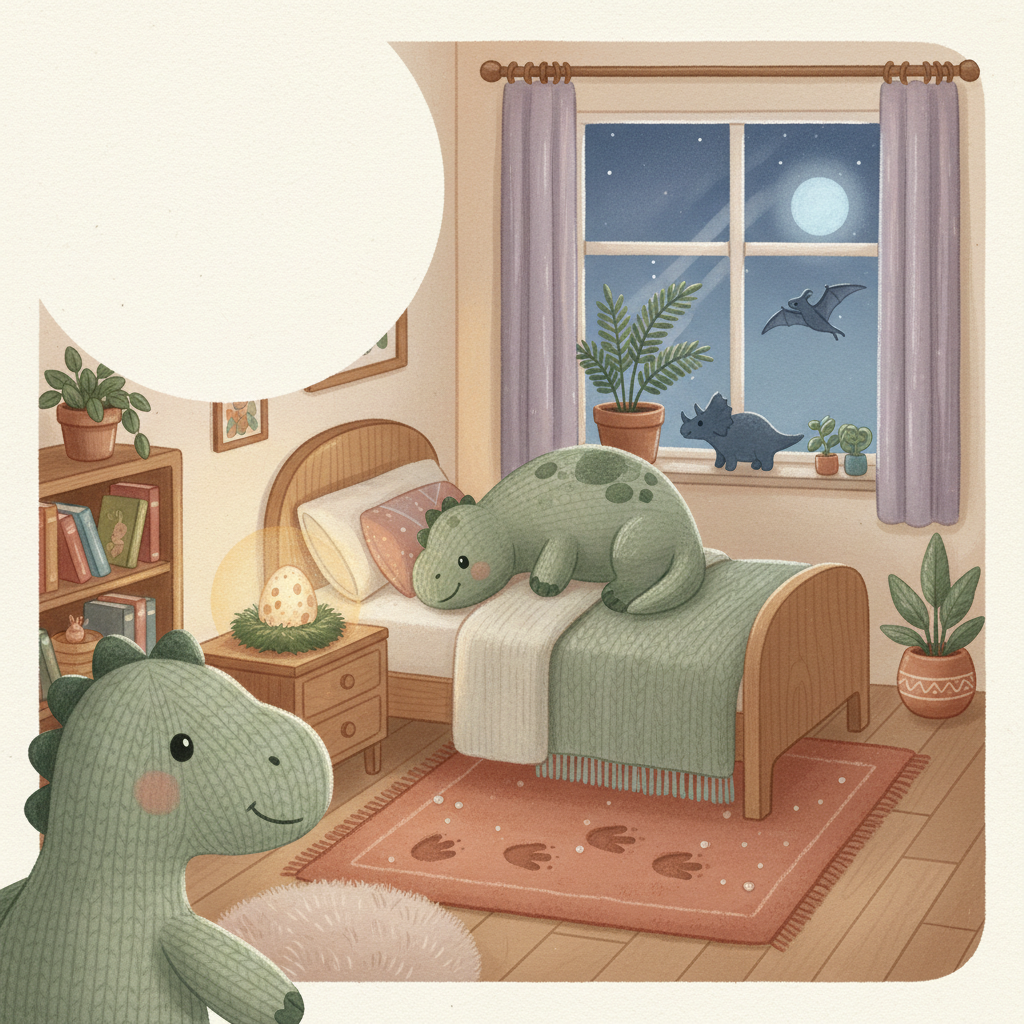
Crafting a Soothing Sensory Bedtime Routine for Little Ones
As parents, we all dream of peaceful evenings and a smooth transition to bedtime. For some children, however, the sensory world can feel a bit overwhelming, making winding down a challenge. If your little one seems particularly attuned to textures, sounds, or lights, you might find that a sensory-friendly approach to bedtime can be a game-changer. It’s about creating an environment that supports their unique needs, helping them feel safe, secure, and ready for rest.
Understanding Sensory Sensitivity at Bedtime
Children experience the world through their senses, and for many, these experiences are processed in unique ways. Some children might be particularly sensitive to certain stimuli, while others might seek out specific sensations. This isn't a description; it's simply how their nervous system interacts with their environment. Pediatric experts often suggest that understanding your child's sensory preferences can be the first step in creating a more harmonious bedtime routine. According to the American Academy of Pediatrics, a consistent bedtime routine itself is crucial for healthy sleep, helping children understand what to expect and signaling that it's time to wind down for the night [^1]. When we add a sensory-friendly layer to this consistency, we're building an even stronger foundation for peaceful slumber.
Imagine your tiny T-rex fan, after a day of energetic exploration, needing a specific kind of quiet or a particular touch to feel truly settled. A sensory-friendly routine acknowledges these individual needs, turning potential bedtime battles into moments of calm connection. It’s less about "fixing" anything and more about nurturing your child's natural rhythms.
"A consistent, predictable bedtime routine helps children understand expectations and prepares them mentally and physically for sleep." — The American Academy of Pediatrics
Setting the Stage: The Sensory Environment
Creating a sensory-friendly environment begins long before your child even enters their bedroom. The goal is to gradually reduce stimulating input and introduce calming elements. Think about the ambiance of your home in the hour or two leading up to bedtime. Are the lights bright and energizing, or soft and subdued? Are there loud noises from screens or playful shouts, or is there a gentle hum of quiet activity? The Sleep Foundation notes that creating a dark, quiet, and cool sleep environment is generally beneficial for children's sleep [^2]. For sensory-sensitive children, this becomes even more paramount.
One approach many families find helpful is dimming the lights around the house as bedtime approaches. This signals to your child’s brain that it’s time to produce melatonin, the hormone that helps regulate sleep. For children who are sensitive to visual input, consider using warm-toned bulbs or lamps with diffusers instead of harsh overhead lighting. Minimizing screen time, which emits blue light that can interfere with melatonin production, is also widely recommended by experts, including those at the National Institutes of Health [^3]. Instead, shift towards quieter activities like reading a book together or engaging in a calm puzzle. This can be a wonderful opportunity to connect and unwind, preparing both of you for the next steps in your routine.
Calming Touches: Proprioceptive and Tactile Input
For many children, deep pressure or specific textures can be incredibly soothing. This is known as proprioceptive and tactile input. Proprioception refers to the body's sense of its own position and movement, and deep pressure can help organize this sense, providing a feeling of security. Tactile input relates to the sense of touch. Pediatric experts often suggest incorporating these elements into a bedtime routine to help children feel grounded and relaxed. The Cleveland Clinic highlights the importance of touch for infants and children, noting its role in development and soothing [^4].
Consider a warm bath as a wonderful start to this part of the routine. The warm water provides comforting all-over pressure, and you can add unscented bath bombs or gentle bubble bath for a subtle tactile experience, if your child enjoys it. After the bath, a gentle massage with lotion can be incredibly calming. Focus on long, slow strokes, applying firm but comfortable pressure. Some parents find that a weighted blanket (used under careful supervision and with appropriate weight for the child
Further reading from trusted pediatric sources:
- American Academy of Pediatrics
- The Sleep Foundation
- National Institutes of Health
- Cleveland Clinic
- Zero to Three
- Nationwide Children's Hospital
A calm parent checklist
For families who want one practical place to start, keep the evening plan simple, repeatable, and easy for a tired child to recognize. The goal is not perfection. It is a steady rhythm: a quiet cue, a predictable order, and a gentle finish that parents can repeat most nights without turning bedtime into a long negotiation.
- Choose two or three steps that already fit your home.
- Keep the order familiar, even when the exact timing changes.
- Let the room, lights, and voice signal that the day is slowing down.
- Save big conversations, rough play, and stimulating choices for earlier in the evening.
For broader context, parents can compare their routine with trusted sleep education such as American Academy of Pediatrics. Little Dreaming Dino can sit inside that routine as a short, cozy dinosaur moment when families want a softer transition into the final part of the night.
A calm parent checklist
For families who want one practical place to start, keep the evening plan simple, repeatable, and easy for a tired child to recognize. The goal is not perfection. It is a steady rhythm: a quiet cue, a predictable order, and a gentle finish that parents can repeat most nights without turning bedtime into a long negotiation.
- Choose two or three steps that already fit your home.
- Keep the order familiar, even when the exact timing changes.
- Let the room, lights, and voice signal that the day is slowing down.
- Save big conversations, rough play, and stimulating choices for earlier in the evening.
For broader context, parents can compare their routine with trusted sleep education such as American Academy of Pediatrics. Little Dreaming Dino can sit inside that routine as a short, cozy dinosaur moment when families want a softer transition into the final part of the night.
A calm parent checklist
For families who want one practical place to start, keep the evening plan simple, repeatable, and easy for a tired child to recognize. The goal is not perfection. It is a steady rhythm: a quiet cue, a predictable order, and a gentle finish that parents can repeat most nights without turning bedtime into a long negotiation.
- Choose two or three steps that already fit your home.
- Keep the order familiar, even when the exact timing changes.
- Let the room, lights, and voice signal that the day is slowing down.
- Save big conversations, rough play, and stimulating choices for earlier in the evening.
For broader context, parents can compare their routine with trusted sleep education such as American Academy of Pediatrics. Little Dreaming Dino can sit inside that routine as a short, cozy dinosaur moment when families want a softer transition into the final part of the night.
Little Dreaming Dino
A calm 60-second bedtime ritual for dinosaur-loving little ones.
Parent-led, screen-soft, and made for 3–7 year olds who'd rather hear about a sleepy brontosaurus than brush their teeth.
Sources
- A Good Night's Sleep: Tips for Children — American Academy of Pediatrics
- Sleep Hygiene for Children — The Sleep Foundation
- Night Light Exposure Impacts Sleep — National Institutes of Health
- The Power of Touch — Cleveland Clinic
- Bedtime Routines for Infants and Toddlers — Zero to Three
- Sleep Tips for Children — Nationwide Children's Hospital
Educational content only. Not medical advice. Please consult your pediatrician about sleep concerns.