
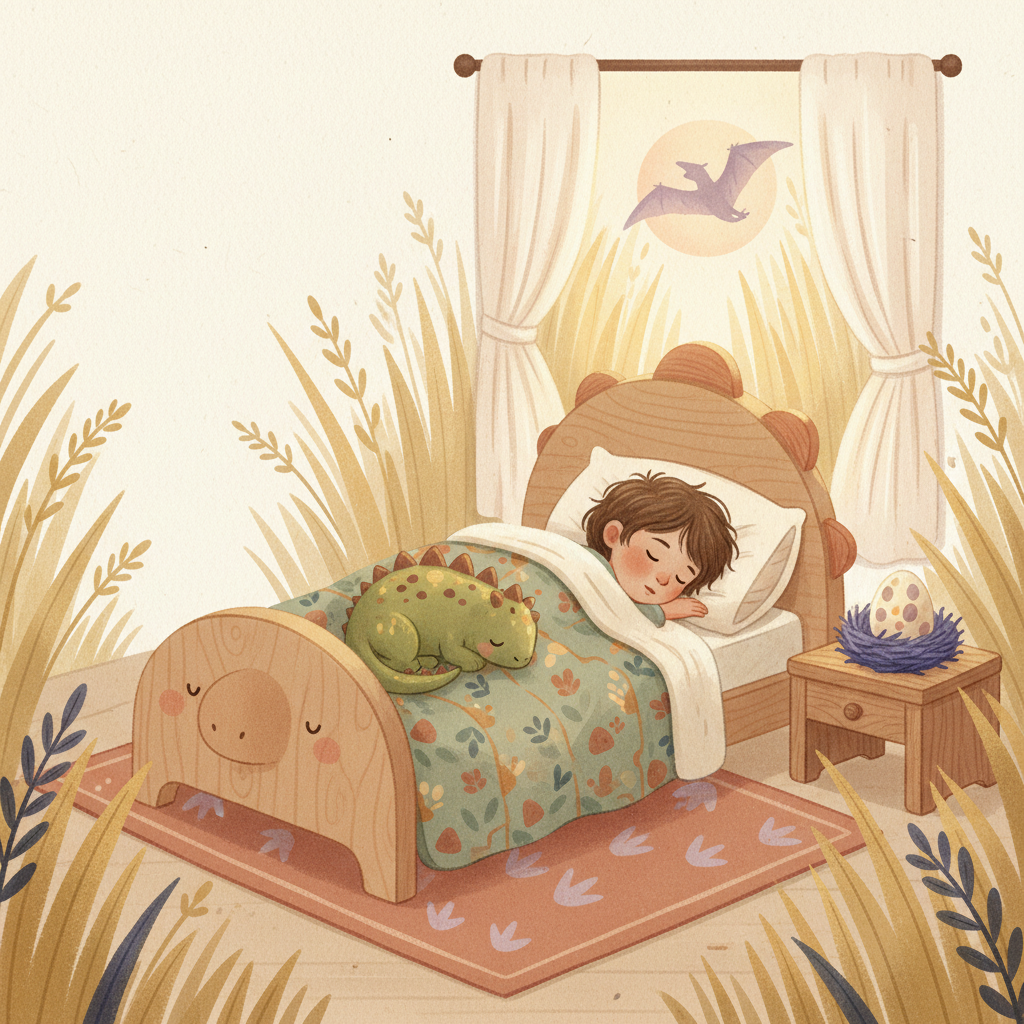
When Your Preschooler Roars at Bedtime: Gentle Ways to Navigate Sleep Resistance
When Your Preschooler Roars at Bedtime: Gentle Ways to Navigate Sleep Resistance
Bedtime. For many families with preschoolers, it’s a moment that can swing from sweet cuddles to a full-blown roar faster than a velociraptor on the chase. If your little paleontologist is suddenly resisting sleep, calling for "just one more drink" or repeatedly popping out of bed, you're in good company. This phase, while challenging, is a common developmental stage. Understanding why your preschooler might be fighting sleep is the first step towards finding gentle, effective strategies to bring peace back to your evenings.
Pediatric experts and sleep specialists often highlight the unique developmental milestones occurring during the preschool years. Children this age are blossoming with independence, imagination, and a burgeoning sense of self, all of which can influence their sleep patterns. This isn't about "fixing" your child, but rather about creating a supportive, predictable environment that honors their growth while guiding them towards restful nights.
Understanding the "Why" Behind Bedtime Resistance
When your preschooler digs in their heels at bedtime, it’s rarely about defiance for defiance’s sake. Instead, it’s often a reflection of their active minds and bodies. According to the American Academy of Pediatrics (AAP), preschoolers need 10 to 13 hours of sleep per 24-hour period (including naps) [^1]. When they resist sleep, it could be for several reasons, from developmental leaps to environmental factors.
One common factor is the growing desire for autonomy. As children assert their independence, they may test boundaries, and bedtime can become a prime arena for this. They're learning that they have some control over their world, and for a small person, staying up late can feel like a powerful choice.
Another significant contributor is the vibrant world of their imagination. Fears of the dark, monsters, or being alone can emerge or intensify during these years. These aren
Further reading from trusted pediatric sources:
A calm parent checklist
For families who want one practical place to start, keep the evening plan simple, repeatable, and easy for a tired child to recognize. The goal is not perfection. It is a steady rhythm: a quiet cue, a predictable order, and a gentle finish that parents can repeat most nights without turning bedtime into a long negotiation.
- Choose two or three steps that already fit your home.
- Keep the order familiar, even when the exact timing changes.
- Let the room, lights, and voice signal that the day is slowing down.
- Save big conversations, rough play, and stimulating choices for earlier in the evening.
For broader context, parents can compare their routine with trusted sleep education such as HealthyChildren.org (American Academy of Pediatrics). Little Dreaming Dino can sit inside that routine as a short, cozy dinosaur moment when families want a softer transition into the final part of the night.
A calm parent checklist
For families who want one practical place to start, keep the evening plan simple, repeatable, and easy for a tired child to recognize. The goal is not perfection. It is a steady rhythm: a quiet cue, a predictable order, and a gentle finish that parents can repeat most nights without turning bedtime into a long negotiation.
- Choose two or three steps that already fit your home.
- Keep the order familiar, even when the exact timing changes.
- Let the room, lights, and voice signal that the day is slowing down.
- Save big conversations, rough play, and stimulating choices for earlier in the evening.
For broader context, parents can compare their routine with trusted sleep education such as HealthyChildren.org (American Academy of Pediatrics). Little Dreaming Dino can sit inside that routine as a short, cozy dinosaur moment when families want a softer transition into the final part of the night.
A calm parent checklist
For families who want one practical place to start, keep the evening plan simple, repeatable, and easy for a tired child to recognize. The goal is not perfection. It is a steady rhythm: a quiet cue, a predictable order, and a gentle finish that parents can repeat most nights without turning bedtime into a long negotiation.
- Choose two or three steps that already fit your home.
- Keep the order familiar, even when the exact timing changes.
- Let the room, lights, and voice signal that the day is slowing down.
- Save big conversations, rough play, and stimulating choices for earlier in the evening.
For broader context, parents can compare their routine with trusted sleep education such as HealthyChildren.org (American Academy of Pediatrics). Little Dreaming Dino can sit inside that routine as a short, cozy dinosaur moment when families want a softer transition into the final part of the night.
A calm parent checklist
For families who want one practical place to start, keep the evening plan simple, repeatable, and easy for a tired child to recognize. The goal is not perfection. It is a steady rhythm: a quiet cue, a predictable order, and a gentle finish that parents can repeat most nights without turning bedtime into a long negotiation.
- Choose two or three steps that already fit your home.
- Keep the order familiar, even when the exact timing changes.
- Let the room, lights, and voice signal that the day is slowing down.
- Save big conversations, rough play, and stimulating choices for earlier in the evening.
For broader context, parents can compare their routine with trusted sleep education such as HealthyChildren.org (American Academy of Pediatrics). Little Dreaming Dino can sit inside that routine as a short, cozy dinosaur moment when families want a softer transition into the final part of the night.
A calm parent checklist
For families who want one practical place to start, keep the evening plan simple, repeatable, and easy for a tired child to recognize. The goal is not perfection. It is a steady rhythm: a quiet cue, a predictable order, and a gentle finish that parents can repeat most nights without turning bedtime into a long negotiation.
- Choose two or three steps that already fit your home.
- Keep the order familiar, even when the exact timing changes.
- Let the room, lights, and voice signal that the day is slowing down.
- Save big conversations, rough play, and stimulating choices for earlier in the evening.
For broader context, parents can compare their routine with trusted sleep education such as HealthyChildren.org (American Academy of Pediatrics). Little Dreaming Dino can sit inside that routine as a short, cozy dinosaur moment when families want a softer transition into the final part of the night.
Little Dreaming Dino
A calm 60-second bedtime ritual for dinosaur-loving little ones.
Parent-led, screen-soft, and made for 3–7 year olds who'd rather hear about a sleepy brontosaurus than brush their teeth.
Sources
- Sleep for Preschoolers — HealthyChildren.org (American Academy of Pediatrics)
- Bedtime Routine for Children — Sleep Foundation
- Child sleep: Helping your child get the sleep needed — Mayo Clinic
Educational content only. Not medical advice. Please consult your pediatrician about sleep concerns.