Keeping Your Little Explorer Snug: How to Get Your Preschooler to Stay in Bed
Is your preschooler's bedtime turning into a nightly marathon of "one more drink" or stealthy escapes? You’re not alone. Many parents navigate the journey of helping their energetic little ones embrace their beds as a cozy haven for a full night's rest. It's a common phase for little paleontologists as they grow, testing boundaries and exploring their newfound independence.
As children transition from cribs to "big kid" beds, the freedom to roam can sometimes feel more exciting than the comfort of sleep. Encouraging your preschooler to stay in bed throughout the night is less about strict rules and more about creating a supportive, predictable environment that signals it's time for rest. Let's explore some gentle, expert-backed approaches that many families find helpful.
Understanding Why Preschoolers Leave Their Bed
Before we dive into strategies, it’s helpful to understand the motivations behind a preschooler's nightly wanderings. This age group is a whirlwind of cognitive and emotional development, and their actions often stem from very natural developmental urges. Pediatric experts often suggest that preschoolers might leave their beds for a variety of reasons, ranging from seeking comfort to testing limits [https://www.healthychildren.org/English/healthy-living/sleep/Pages/default.aspx].
According to the American Academy of Pediatrics, some common reasons include fear of the dark, nightmares, a need for parental reassurance, or simply not feeling tired enough at bedtime [https://www.healthychildren.org/English/healthy-living/sleep/Pages/Getting-Your-Child-to-Sleep.aspx]. Sometimes, it's a developmental milestone – a preschooler's burgeoning independence can lead them to see bed as a suggestion rather than a requirement. Other times, it might be related to changes in routine, excitement from the day, or even a desire for more attention. Understanding these underlying factors can help you choose the most effective approach for your unique little one.
Cultivating a Consistent Bedtime Routine
One of the most foundational strategies for encouraging preschoolers to stay in bed is a consistent and calming bedtime routine. Think of it as a gentle, predictable sequence of events that signals to your child’s body and mind that sleep is approaching, much like a Brontosaurus knows its feeding time when the same delicious leaves appear. The Sleep Foundation emphasizes the importance of a regular sleep schedule, noting that consistent bedtimes and wake times, even on weekends, can significantly improve sleep quality and duration for children [https://www.sleepfoundation.org/children-and-sleep/sleep-hygiene-for-kids].
A typical routine might include a warm bath, quiet play, reading a book, and a final cuddle. The key is to keep it predictable, peaceful, and relatively short—around 20 to 45 minutes. This predictability helps establish a strong circadian rhythm, the body's internal clock, making it easier for your child to fall asleep and stay asleep. For more ideas on managing bedtime delays, you might find this post helpful: A Calm Kids Delaying Bedtime for Little Dino Fans.
Elements of a Calming Bedtime Routine:
- Warm Bath: Helps relax muscles and signals the transition to evening.
- Quiet Activities: Reading together, soft music, or a gentle puzzle. Avoid screen time in the hour leading up to bed, as the blue light can interfere with melatonin production, a natural sleep-inducing hormone, as noted by sources like the Cleveland Clinic [https://my.clevelandclinic.org/health/articles/12964-sleep-and-circadian-rhythms].
- Story Time: A cherished tradition that offers connection and helps wind down imaginations. Choose calm, comforting stories.
- Cuddles and Goodnights: A final moment of connection and reassurance before lights out. Keep it brief and positive.
"A consistent, calming bedtime routine acts like a gentle lullaby for a child's internal clock, preparing their mind and body for a night of restorative rest." – The Sleep Foundation
Setting Clear Expectations and Gentle Boundaries
Preschoolers thrive on understanding what's expected of them. When it comes to staying in bed, clear, calm communication is paramount. Before bedtime, have a simple conversation with your child about the expectation that once they are in bed, they stay there until morning. Explain why it's important—for their body to rest and grow big and strong like a T-rex!
Pediatric sleep experts often suggest using visual cues, like a "stay in bed" chart with stickers, to reinforce positive behavior. The Mayo Clinic suggests praising your child when they stay in bed and gently but firmly returning them to their bed without engaging in long conversations if they do get out [https://www.mayoclinic.org/healthy-lifestyle/childrens-health/in-depth/sleep/art-20048386]. Consistency is key here. Every time your child gets out of bed, gently walk them back with minimal interaction. Avoid scolding or negotiating, as this can inadvertently provide the attention they might be seeking.
Strategies for Gentle Reinforcement:
- The "One More" Pass: Many parents find it helpful to offer one last chance for a drink of water or a trip to the bathroom before lights out, to preempt requests later. After that, the rule is no more leaving the bed until morning.
- The Sleep Rule: A simple rule like "Once you're in bed, you stay in bed until the sun comes up (or the special clock turns green)." Using a toddler-friendly "ok-to-wake" clock can be a fantastic visual aid for preschoolers, helping them understand when it's truly time to get up without needing to ask.
- Positive Praise: When your child successfully stays in bed, offer genuine praise in the morning. "I noticed you stayed in your bed all night! That's wonderful!"
Creating a Sleep-Conducive Environment
Just as adult paleontologists need a well-equipped site for a successful dig, little ones need a room that invites sleep. The bedroom should be dark, quiet, and cool. According to the NIH, creating an optimal sleep environment involves reducing light exposure, maintaining a comfortable room temperature, and minimizing noise [https://www.nih.gov/news-events/nih-research-matters/sleep-wake-cycle-imbalance-impacts-health].
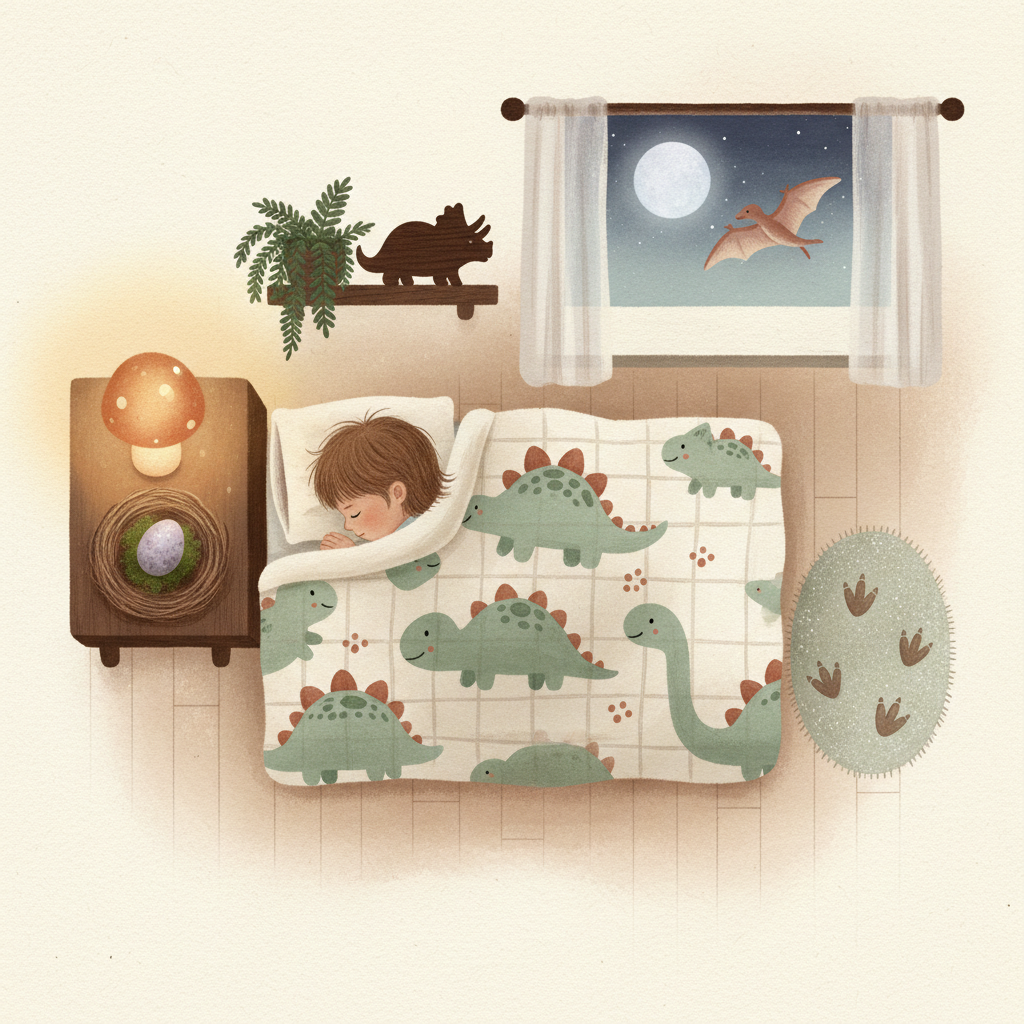
- Darkness: Use blackout curtains or blinds to block out external light. Even small amounts of light can disrupt sleep. A dim nightlight is acceptable if your child is afraid of the dark, but it should be truly dim and preferably red-toned, which is less disruptive to melatonin production.
- Quiet: Minimize noise from other parts of the house. A white noise machine can help mask household sounds and provide a soothing background hum, creating a consistent auditory environment for sleep.
- Cool Temperature: Most experts suggest a room temperature between 60-67 degrees Fahrenheit (15-19 degrees Celsius) for optimal sleep. Ensure your child is dressed appropriately so they aren't too hot or too cold.
- Comfort: Ensure their bed is comfortable, with clean sheets and a favorite cozy blanket or stuffed animal. Avoid too many toys in the bed that could be distracting.
Addressing Nighttime Fears and Anxieties
For some preschoolers, leaving their bed is a cry for comfort in the face of nighttime fears. Monsters under the bed, shadows, or even bad dreams can feel very real and scary to a young child. Zero to Three, a national nonprofit organization, suggests validating your child's feelings and helping them feel safe [https://www.zerotothree.org/resources/series/sleep-and-your-child/].
Instead of dismissing their fears, acknowledge them. "I understand you're feeling scared. Sometimes shadows can look funny at night." Offer comfort and reassurance. A "monster spray" (water in a spray bottle), checking under the bed together, or a special "brave" flashlight can be simple, playful ways to empower your child. If nightmares are frequent, consider discussing the day's events gently and reassuring them during waking hours. The goal is to help them feel secure enough to stay in their own space.
Gentle Reminder
This content is for informational purposes only and is not intended to be a substitute for professional medical advice, description, or approaches. Always seek the advice of your pediatrician or other qualified health provider with any questions you may have regarding a medical condition or before making any decisions about your child's sleep, behavior, or health.
Speaking of calm routines, have you heard about Little Dreaming Dino? It's a calm 60-second bedtime ritual app for dinosaur-loving kids, designed to add a sweet, consistent moment to your evening routine. We invite you to try it and join our waitlist for a peaceful end to the day.
Sources
- American Academy of Pediatrics - Healthy Children
- American Academy of Pediatrics - Getting Your Child to Sleep
- Sleep Foundation - Children and Sleep
- Cleveland Clinic - Sleep and Circadian Rhythms
- Mayo Clinic - Children's Health: Sleep
- National Institutes of Health - Sleep-Wake Cycle Imbalance Impacts Health
- Zero to Three - Sleep and Your Child
Little Dreaming Dino
A calm 60-second bedtime ritual for dinosaur-loving little ones.
Parent-led, screen-soft, and made for 3–7 year olds who'd rather hear about a sleepy brontosaurus than brush their teeth.
Sources
- Healthy Children: Sleep — American Academy of Pediatrics
- Getting Your Child to Sleep — American Academy of Pediatrics
- Sleep Hygiene for Kids — The Sleep Foundation
- Sleep and Circadian Rhythms — Cleveland Clinic
- Children's Health: Sleep — Mayo Clinic
- Sleep-Wake Cycle Imbalance Impacts Health — National Institutes of Health
- Sleep and Your Child — Zero to Three
Educational content only. Not medical advice. Please consult your pediatrician about sleep concerns.