
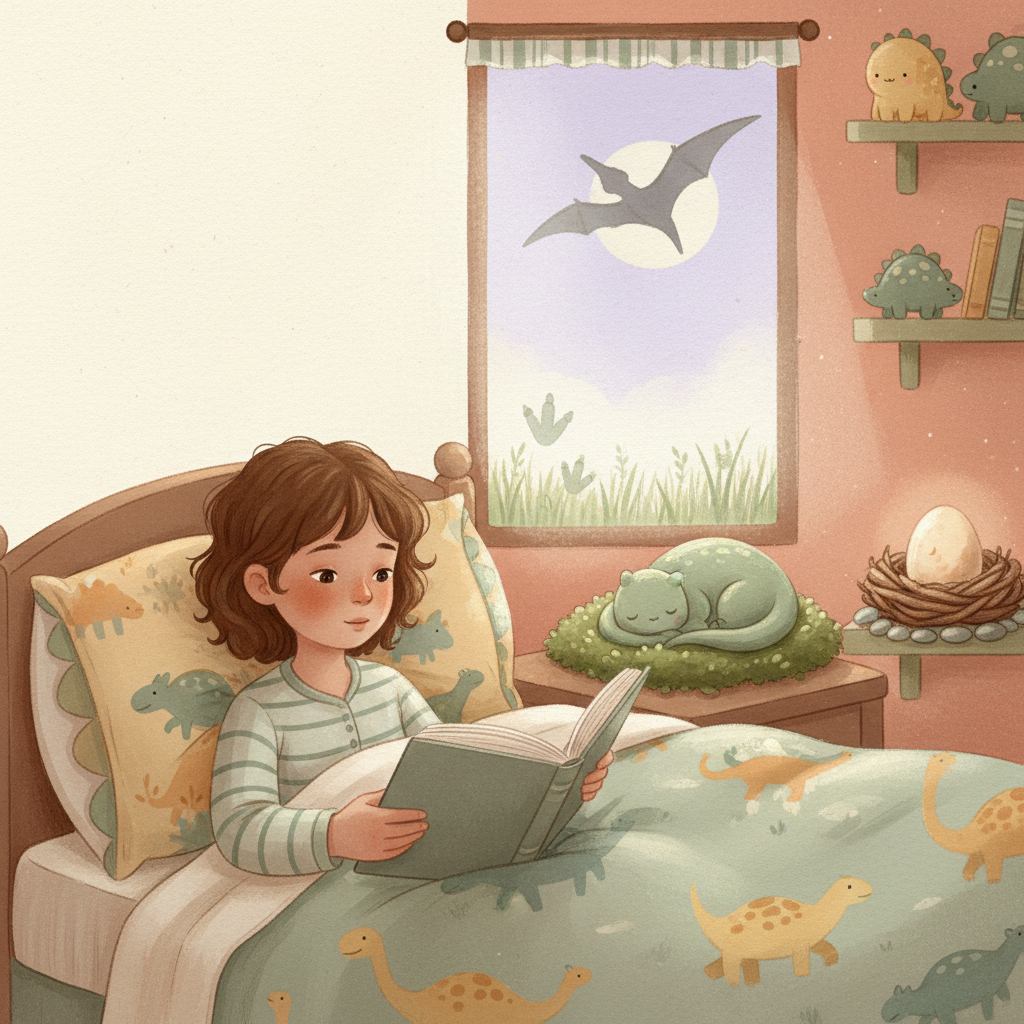
Helping Your 5-Year-Old Find Peaceful Dino Dreams
Helping Your 5-Year-Old Find Peaceful Dino Dreams
Welcome back to Little Dreaming Dino! If you’re reading this, chances are your wonderfully energetic five-year-old, perhaps fresh into kindergarten or embracing new friendships, is experiencing some shifts in their sleep patterns. It’s a common jungle for many parents, and rest assured, you’re not alone in seeking gentle ways to help your little paleontologist achieve the restorative sleep they need.
Five-year-olds are in a fascinating stage of development. Their world is expanding rapidly, filled with learning, imagination, and a growing sense of independence. This busy internal and external life can sometimes spill over into bedtime, making the transition to sleep a bit more of a challenge than it used to be. Understanding these developmental milestones can offer helpful insights into why sleep might sometimes feel elusive.
The Landscape of 5-Year-Old Sleep: What to Expect
As children grow from preschoolers to early school-agers, their sleep needs and patterns evolve. Many pediatric experts suggest that children between 3 and 5 years old need about 10 to 13 hours of sleep per 24-hour period, including naps. However, by age five, most children have outgrown daily naps, meaning all those precious hours need to come from nighttime sleep https://www.sleepfoundation.org/children-and-sleep/how-much-sleep-do-kids-need.
According to the American Academy of Pediatrics, consistent sleep is vital for a child's overall health, impacting their attention, behavior, learning, mental and physical health https://www.healthychildren.org/English/healthy-living/sleep/Pages/default.aspx. When sleep becomes tricky, it’s understandable for parents to feel concerned.
"Routines provide a sense of predictability and security for young children, which can be especially comforting during the transition from wakefulness to sleep." — Zero to Three https://www.zerotothree.org/resources/1806-getting-your-baby-or-toddler-to-sleep
Crafting a Calming Bedtime Routine
A predictable and peaceful bedtime routine is often highlighted by sleep specialists as a cornerstone of healthy sleep habits for young children. This isn’t just about ticking boxes; it’s about creating a tranquil winding-down period that signals to your child’s body and mind that it’s time to rest. Many families find that a consistent sequence of calming activities can make a world of difference. For more ideas on establishing soothing rituals, you might find our insights on bedtime problems in preschoolers helpful.
Consider incorporating some of these elements into your routine:
- Warm Bath: A gentle bath can help relax muscles and signal the end of the day.
- Quiet Play: Shift from active play to quiet activities like building blocks or puzzles.
- Story Time: Reading together is a wonderful way to connect and calm down. Choose stories that aren’t too stimulating.
- Comforting Cuddles: A few minutes of quiet closeness and conversation can strengthen your bond and provide security.
- Brushing Teeth and Potty Time: These practical steps help complete the routine.
The key is consistency and starting early enough that the process doesn’t feel rushed. Pediatric experts at the Cleveland Clinic often emphasize the importance of sticking to the routine even on weekends, as this consistency helps regulate a child's internal clock https://my.clevelandclinic.org/health/articles/14309-sleep-in-children.
Optimizing the Sleep Environment
Just as a brontosaurus might seek a calm, leafy grove for slumber, your five-year-old thrives in a sleep environment optimized for rest. The bedroom itself plays a significant role in inviting sleep. Here are a few considerations parents often find valuable:
- Darkness: Ensure the room is as dark as possible. Blackout curtains can be a great investment, especially if your child is sensitive to light or if evenings are still bright.
- Cool Temperature: A slightly cool room (around 68-72 degrees Fahrenheit) is often recommended for optimal sleep by various health organizations. The National Institutes of Health (NIH) notes that temperature regulation is important for sleep quality https://www.nih.gov/news-events/nih-research-matters/new-evidence-that-sleep-helps-regulate-body-temperature.
- Quiet: Minimize noise as much as possible. A white noise machine can sometimes help mask household sounds or outdoor disturbances, providing a consistent, soothing background.
- Comfort: Make sure the bedding is comfortable and the pajamas are cozy. A favorite stuffed animal or security blanket can also offer reassurance.
- Screen-Free Zone: Many professionals suggest keeping screens out of the bedroom and powering them down at least an hour before bedtime. The blue light emitted by screens can interfere with the body's natural sleep signals.
Creating this serene space signals to your child that their room is a peaceful sanctuary for rest, distinct from their daytime play areas.
Addressing Common Sleep Hurdles
Even with a perfect routine and environment, five-year-olds can encounter sleep challenges. These are often tied to their developmental stage or the new experiences they’re encountering. Many families find success by gently addressing these issues with patience and consistency.
- Bedtime Resistance: This is incredibly common. Your five-year-old is testing boundaries and asserting independence. Strategies might include offering limited choices within the routine (e.g., "Do you want to wear the blue or green pajamas?"), using a visual schedule, or employing a reward system for staying in bed. For more on navigating these moments, our post on sleep problems for 5-year-olds provides further insights.
- Nighttime Waking: While five-year-olds generally sleep through the night, occasional awakenings can still happen, often due to nightmares, needing to use the bathroom, or simply stirring. A brief, calm reassurance without too much interaction is often suggested. The American Academy of Pediatrics advises against bringing children into your bed as a regular solution, as it can be difficult to reverse https://www.healthychildren.org/English/healthy-living/sleep/Pages/Getting-Your-Child-to-Sleep.aspx.
- Nightmares and Night Terrors: These can be particularly unsettling for both child and parent. Nightmares occur during REM sleep and children often remember them. Night terrors, while dramatic, usually occur in the first few hours of sleep and children rarely remember them. For nightmares, offer comfort and reassurance. For night terrors, pediatric experts often suggest ensuring safety and minimizing intervention during the episode itself. Speaking to a healthcare provider can help differentiate between the two and provide tailored strategies.
Remember, consistency is your most valuable tool. Any change, no matter how small, requires time for your child to adapt.
Daytime Habits that Support Nighttime Sleep
What happens during the day significantly impacts how well your child sleeps at night. Integrating healthy daytime habits can create a positive ripple effect for their evening rest.
- Regular Wake-Up Times: Maintaining a consistent wake-up time, even on weekends, helps regulate your child's internal body clock. This is often recommended by sleep experts, as noted by the Sleep Foundation [https://www.sleepfoundation.org/children-and-sleep/how-much-sleep-do-kids-need](https://www.sleepfoundation.org/children-and-sleep/how-much-sleep-do-kids-need].
- Plenty of Physical Activity: Ensuring your five-year-old gets ample opportunity for active play during the day can help them expend energy and feel physically tired by bedtime. Aim for a mix of structured and unstructured play, ideally outdoors when possible. The CDC recommends at least 60 minutes of physical activity for children aged 6 to 17, and similar principles apply to active preschoolers https://www.cdc.gov/physicalactivity/basics/children/what_kind_and_how_much.htm.
- Balanced Nutrition: A healthy diet contributes to overall well-being, which in turn supports good sleep. While there's no "magic food" for sleep, avoiding heavy meals or sugary snacks close to bedtime can be helpful. Many experts suggest limiting caffeine for children entirely.
- Managing Screen Time: As mentioned earlier, screen time can impact sleep. Limiting screen exposure, especially in the hours leading up to bedtime, is a strategy many parents find beneficial.
By weaving these healthy habits into your daily rhythm, you’re creating a holistic approach to supporting your child's sleep, making the journey to dreamland smoother for everyone.
Gentle reminder
This content is for educational purposes only and is not intended to be a substitute for professional medical advice, description, or approaches. Always seek the advice of your pediatrician or other qualified health provider with any questions you may have regarding a medical condition or sleep, behavioral, or health concerns for your child.
For a calm 60-second bedtime ritual app for dinosaur-loving kids, you can join the waitlist for Little Dreaming Dino.
Sources
- https://www.sleepfoundation.org/children-and-sleep/how-much-sleep-do-kids-need - Sleep Foundation
- https://www.healthychildren.org/English/healthy-living/sleep/Pages/default.aspx - American Academy of Pediatrics
- https://www.zerotothree.org/resources/1806-getting-your-baby-or-toddler-to-sleep - Zero to Three
- https://my.clevelandclinic.org/health/articles/14309-sleep-in-children - Cleveland Clinic
- https://www.nih.gov/news-events/nih-research-matters/new-evidence-that-sleep-helps-regulate-body-temperature - National Institutes of Health
- https://www.healthychildren.org/English/healthy-living/sleep/Pages/Getting-Your-Child-to-Sleep.aspx - American Academy of Pediatrics
- https://www.cdc.gov/physicalactivity/basics/children/what_kind_and_how_much.htm - CDC
Little Dreaming Dino
A calm 60-second bedtime ritual for dinosaur-loving little ones.
Parent-led, screen-soft, and made for 3–7 year olds who'd rather hear about a sleepy brontosaurus than brush their teeth.
Sources
- How Much Sleep Do Kids Need? — Sleep Foundation
- Sleep — American Academy of Pediatrics
- Getting Your Baby or Toddler to Sleep — Zero to Three
- Sleep in Children — Cleveland Clinic
- New Evidence That Sleep Helps Regulate Body Temperature — National Institutes of Health
- Getting Your Child to Sleep — American Academy of Pediatrics
- How Much Physical Activity Do Children Need? — CDC
Educational content only. Not medical advice. Please consult your pediatrician about sleep concerns.