
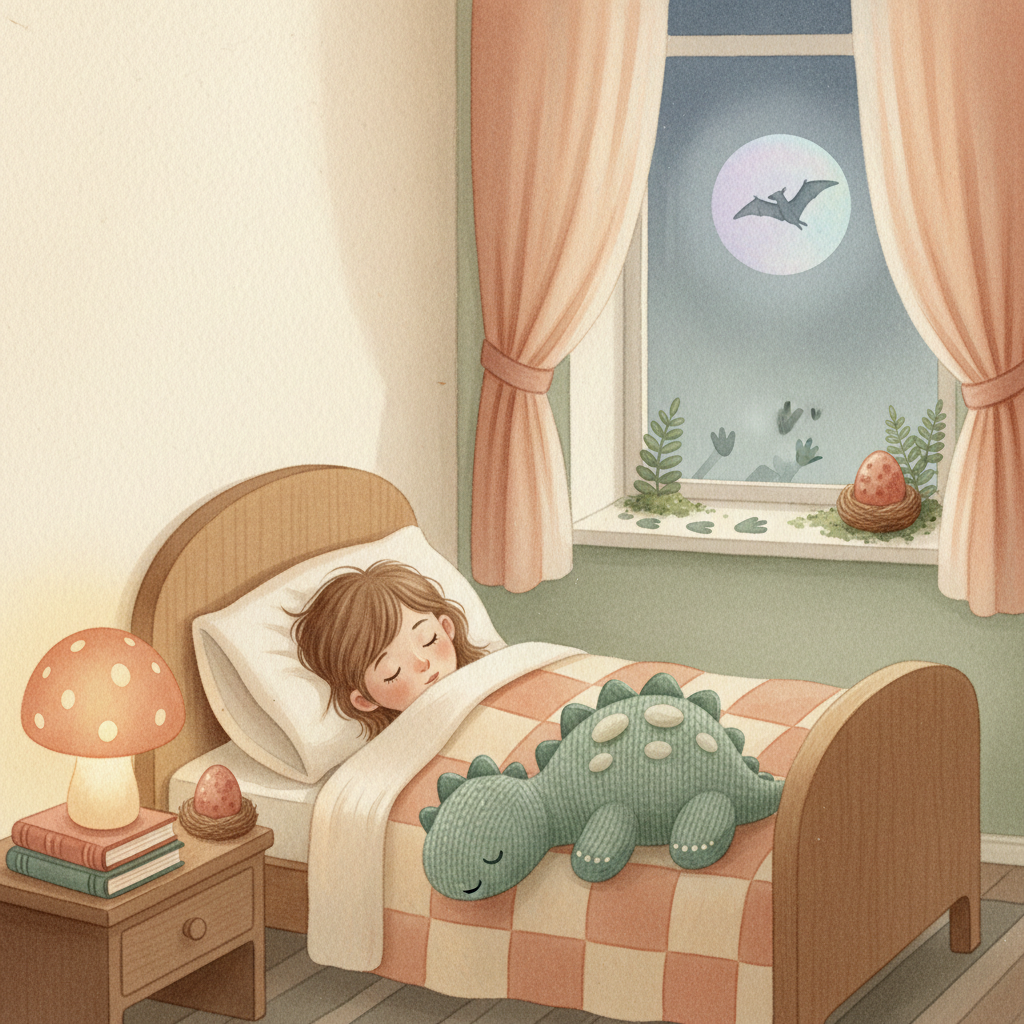
When Your Little Dino Won't Stay in Bed: Gentle Strategies
Navigating bedtime can sometimes feel like a prehistoric adventure, especially when your little paleontologist just won't stay in bed. Many parents find themselves gently guiding their child back to bed multiple times each evening, wondering how to encourage a more peaceful transition to sleep. This common phase, while challenging, often responds well to consistent, calm approaches rooted in understanding your child's developmental needs. Let's explore some expert-backed strategies to help your tiny T-rex fan stay snuggled in bed.
Understanding Why Your Child Won't Stay in Bed
Before diving into strategies, it can be helpful to consider the underlying reasons your child might be resisting staying in bed. Young children, particularly those between three and seven, are experiencing significant cognitive and emotional development. According to the American Academy of Pediatrics, some common reasons for bedtime resistance can include a need for more independence, anxiety, fears (like fear of the dark), or even just wanting to spend more time with you [https://www.healthychildren.org/English/healthy-living/sleep/Pages/Ages-3-to-5-Years-Sleep.aspx].
Pediatric experts often suggest that a child's sleep patterns are influenced by a variety of factors, including their daytime routine, their diet, and their emotional state. Understanding these elements can be the first step in finding an approach that works for your family. The Sleep Foundation highlights that children in this age group are still developing their sleep-wake cycles and can be particularly sensitive to changes in their environment or routine [https://www.sleepfoundation.org/children-and-sleep/stages-of-sleep].
Creating a Calming Bedtime Ritual
One of the most widely recommended approaches for encouraging children to stay in bed is establishing a consistent and calming bedtime routine. Many families find that a predictable sequence of events signals to their child that it's time to wind down. This routine doesn't have to be long or elaborate, but consistency is key.
Dr. Jody Mindell, a sleep expert, suggests that a good bedtime routine should be relaxing and positive, lasting around 20 to 45 minutes [https://www.sleepfoundation.org/children-and-sleep/bedtime-routine-for-kids]. This might include a warm bath, putting on pajamas, brushing teeth, and a quiet activity like reading a story or singing a lullaby. The goal is to create a peaceful transition from the day's activities to sleep, helping your child feel secure and ready for rest. You can find more gentle strategies for this age group in our post A Calm Child Keeps Getting Out Of Bed for Little Dino Fans.
"Consistency and predictability are pillars for healthy sleep habits in young children. A calm, loving presence during the bedtime routine helps children feel secure enough to settle down for the night." – The Sleep Foundation
Setting Clear Expectations and Boundaries
Once a bedtime routine is established, setting clear and gentle expectations about staying in bed can be very helpful. Pediatric experts often suggest communicating these boundaries calmly and consistently. For example, before your child gets into bed, you might say, "After our story, it's time to stay in your bed until morning."
Many parents find success with a "one last thing" approach. This means allowing your child one final request (a sip of water, one more hug, a quick trip to the potty) before settling down. After this, the expectation is that they stay in bed. When your child inevitably gets out of bed, gently and calmly return them without engaging in lengthy conversations or giving extra attention. The National Institutes of Health emphasizes the importance of a consistent response to these behaviors to help children learn boundaries [https://www.nih.gov/news-events/news-releases/lack-sleep-may-raise-risk-obesity-children-adolescents]. This can be particularly useful when your preschooler keeps getting out of bed or your toddler keeps getting out of bed.
Addressing Common Bedtime Concerns
Sometimes, children refuse to stay in bed due to fears or anxieties. The Mayo Clinic notes that common fears in young children include fear of the dark, monsters, or being alone [https://www.mayoclinic.org/healthy-lifestyle/childrens-health/in-depth/sleep-problems/art-20046523]. Acknowledging these fears without validating them can be a supportive approach. For instance, you might say, "I understand you're feeling a little scared, but you are safe in your bed."
Practical solutions like a nightlight (not too bright) or checking under the bed and in the closet together (a "monster check") can sometimes ease these anxieties. Some families use a "worry doll" or a special comfort object that can "hold" their child's worries overnight. The key is to address the fear gently but still reinforce the expectation of staying in bed.
The Importance of a Sleep-Conducive Environment
Creating a bedroom environment that promotes sleep is another piece of the puzzle. The Cleveland Clinic suggests that a child's bedroom should be dark, quiet, and cool for optimal sleep [https://my.clevelandclinic.org/health/articles/14300-sleep-and-children]. This means ensuring the room is comfortably cool, blocking out excessive light with blackout curtains if needed, and minimizing noise.
Consider the bed itself. Is it comfortable? Is your child's bedding cozy and inviting? For some children, a feeling of security is enhanced by a weighted blanket (used with pediatrician guidance for appropriate weight) or a bed tent that creates a snug, cave-like space. Removing stimulating toys or screens from the bedroom also contributes to a calm atmosphere, signaling that the space is for rest, not play. Many families find that creating a peaceful "dino den" for their child helps immensely.
Positive Reinforcement and Rewards
Encouraging positive sleep behaviors through gentle reinforcement can be very effective. Pediatric experts at Stanford Children's Health often recommend positive reinforcement strategies, such as a sticker chart or a special morning privilege, for staying in bed all night [https://www.stanfordchildrens.org/en/topic/default?id=sleep-problems-in-preschoolers-90-P02197]. The reward should be small, immediate (or given the next morning), and tied directly to the desired behavior.
For example, if your child stays in bed all night, they might get a sticker for their chart. After a certain number of stickers, they could earn a special activity, like choosing a book for story time or an extra 10 minutes at the park. The focus is on praising their efforts and making staying in bed a positive experience, rather than punishing them for getting out. This approach can be a gentle way to reduce bedtime resistance in preschoolers.
When to Seek Further Guidance
While many children eventually learn to stay in bed with consistent routines and gentle guidance, some parents might find that their child's sleep struggles persist despite their best efforts. If your child's difficulty staying in bed is accompanied by extreme daytime sleepiness, irritability, or concerns about their breathing during sleep, it may be time to consult with your pediatrician. The American Academy of Pediatrics advises parents to discuss any persistent sleep issues with a healthcare provider, as they can help rule out underlying medical causes or offer tailored guidance [https://www.aap.org/en/patient-care/sleep/bedtime-problems/].
Remember, every child is unique, and what works for one family might need adjustment for another. Patience, consistency, and a calm, loving approach are your most powerful tools in navigating this common parenting challenge.
For a calm 60-second bedtime ritual app for dinosaur-loving kids, consider trying Little Dreaming Dino to help weave peaceful moments into your evening routine.
Gentle reminder: This article is intended for educational purposes only and provides general information. It is not a substitute for professional medical advice, description, or approaches. Always seek the advice of your pediatrician or other qualified health provider with any questions you may have regarding a medical condition or before making any decisions related to your child's health or well-being.
Sources
Little Dreaming Dino
A calm 60-second bedtime ritual for dinosaur-loving little ones.
Parent-led, screen-soft, and made for 3–7 year olds who'd rather hear about a sleepy brontosaurus than brush their teeth.
Sources
- Sleep for Children: Ages 3 to 5 Years — American Academy of Pediatrics
- Stages of Sleep in Children — The Sleep Foundation
- Bedtime Routine for Kids — The Sleep Foundation
- Lack of sleep may raise risk of obesity in children, adolescents — National Institutes of Health
- Children's sleep: Helping kids get the sleep they need — Mayo Clinic
- Sleep and Children — Cleveland Clinic
- Sleep Problems in Preschoolers — Stanford Children's Health
- Bedtime Problems in Children — American Academy of Pediatrics
Educational content only. Not medical advice. Please consult your pediatrician about sleep concerns.