
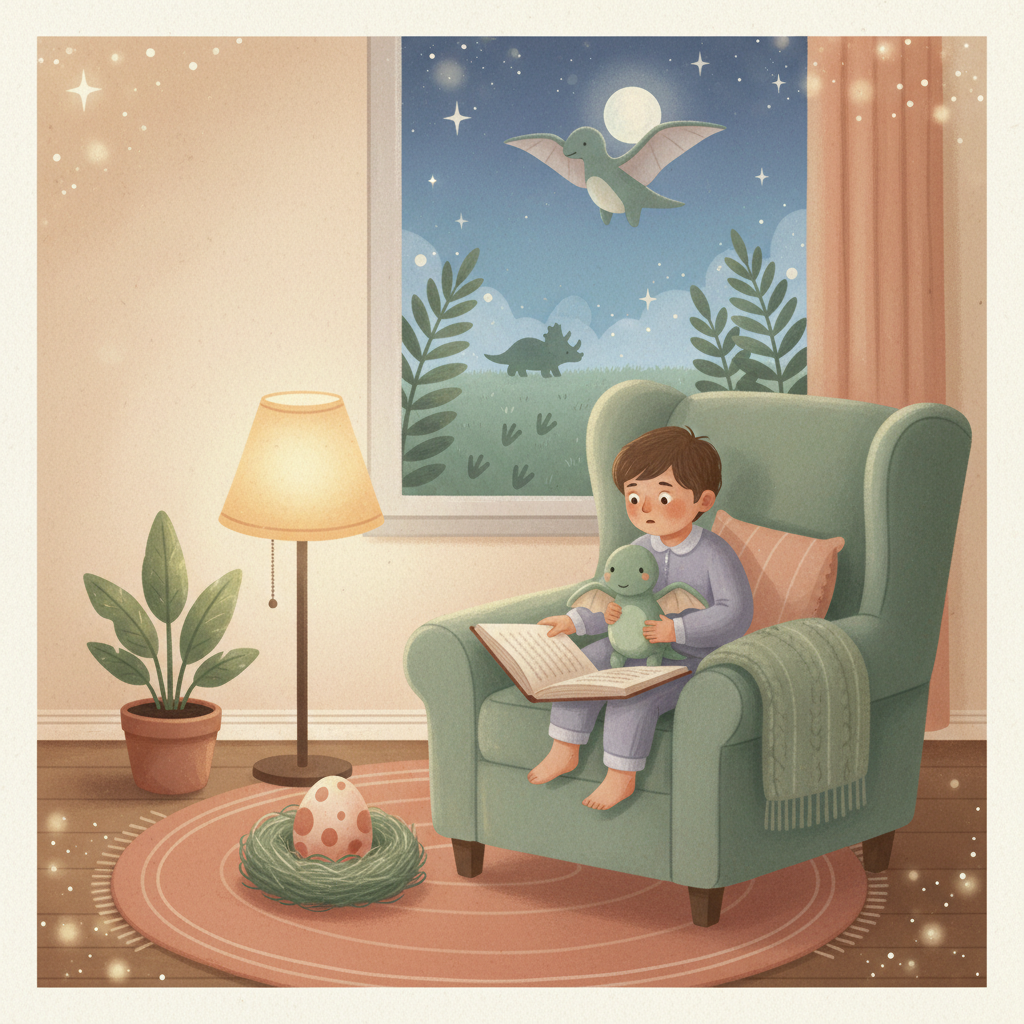
Calming Bedtime Routines for Your Anxious Little One
Navigating bedtime with an anxious child can sometimes feel like trying to calm a particularly energetic baby brontosaurus – a task requiring patience, understanding, and a gentle touch. As parents, we all want our little ones to drift off to peaceful dreams, but when anxiety enters the picture, those evening hours can become a source of stress for everyone. The good news is that creating a predictable, calming bedtime routine can make a world of difference, offering a sense of security and helping your child transition from a busy day to a restful night.
Understanding Childhood Anxiety and Sleep
It's entirely natural for children to experience anxieties, especially as they grow and encounter new experiences. For some children, these worries can surface most strongly at bedtime, making it difficult to unwind. Pediatric experts often highlight the intricate connection between anxiety and sleep. According to the American Academy of Pediatrics, anxiety can contribute to sleep difficulties, and conversely, insufficient sleep can exacerbate anxiety in children [^1]. Understanding this connection is the first step in crafting a routine that truly supports your child.
Many families find that recognizing the signs of anxiety in their child, such as persistent worries about school, friends, or even imaginary monsters, can help tailor a bedtime approach. The National Institute of Mental Health (NIMH) notes that signs of anxiety in children can include irritability, difficulty concentrating, changes in sleep patterns, or physical symptoms like stomachaches or headaches [^2]. Observing these cues can provide valuable insights into your child's emotional landscape.
The Power of Predictable Routines
One of the most effective tools in a parent's toolkit for addressing bedtime anxiety is a consistent, predictable routine. Children thrive on predictability, and a structured evening can signal to your child that it's time to wind down. The Sleep Foundation emphasizes that consistency is key for healthy sleep habits in children, as it helps regulate their internal body clock [^3]. A predictable sequence of events can reduce uncertainty, which is often a significant trigger for anxiety.
Think of your routine as a gentle ramp leading to sleep, rather than an abrupt cliff. This ramp should be filled with calming activities that your child can anticipate and enjoy. Starting the wind-down process an hour or so before lights out allows plenty of time for both physical and emotional preparation. This dedicated time also offers a wonderful opportunity for connection and reassurance, helping your little paleontologist feel secure and loved.
"A consistent bedtime routine helps children understand what is expected of them, fostering a sense of control and reducing anxiety about the unknown."
Crafting a Calming Environment
Beyond the activities themselves, the physical environment plays a crucial role in promoting a sense of calm. A child's bedroom should be a sanctuary, a place associated with comfort and peace. The Mayo Clinic suggests creating a sleep-friendly environment that is dark, quiet, and cool [^4]. Dimming the lights an hour or so before bedtime can also help signal to your child's brain that it's time to produce melatonin, the hormone that aids in sleep.
Consider incorporating elements that appeal to your child's senses in a soothing way. Soft bedding, a beloved stuffed dinosaur, or even a very dim nightlight can contribute to a feeling of security. Some parents find that soft, instrumental music or nature sounds for kids sleep can help mask household noises and create a peaceful atmosphere. However, it's often best to avoid screens – tablets, televisions, and phones – for at least an hour before bed, as the blue light emitted can interfere with melatonin production, according to experts at the Cleveland Clinic [^5].
Soothing Activities to Incorporate
Once the environment is set, fill your routine with activities that actively promote relaxation and connection. Here are some ideas many families find helpful:
- Warm Bath or Shower: The warmth can be incredibly soothing and helps muscles relax. Make it a calm experience, perhaps with gentle bubbling toys rather than high-energy play.
- Gentle Movement: A few minutes of quiet stretching before bed for kids or simple bedtime yoga for kids can release residual energy without invigorating them. Focus on slow, deliberate movements.
- Reading Together: This classic bedtime activity is a winner for a reason. Cuddling up with a book not only provides quiet time but also offers a beautiful opportunity for connection. Let your child choose the story, fostering a sense of control.
- Quiet Conversation: This is a chance for your child to share any lingering worries or excitements from their day. Listen attentively without judgment, offering reassurance and validating their feelings. This can be a simple "rose and thorn" discussion about their day.
- Deep Breathing Exercises: Simple breathing techniques can be remarkably effective. You might try "dinosaur breath," where they breathe in deeply through their nose as if smelling a flower, and then slowly exhale through their mouth like a gentle gust of wind, making a soft "whoosh" sound.
- Massage: A gentle back rub or foot massage can be very calming and a lovely way to show affection. Use a lotion with a very mild, pleasant scent if your child enjoys it.
- Bedtime Affirmations: Incorporating bedtime affirmations for kids can help shift their mindset towards positive thoughts and self-assurance before sleep.
Remember, the goal isn't to pack too many activities in, but to find a rhythm that works for your family and helps your child feel secure and ready for rest. The entire process should feel calm and unhurried.
Addressing Specific Worries
For children with anxiety, specific fears often arise at night. These could be fears of the dark, monsters, being alone, or even worries about the next day. Acknowledging these fears without dismissing them is vital. According to the American Academy of Pediatrics, validating a child's feelings is an important step in helping them manage anxiety [^1]. You might say, "I understand you're feeling scared about the dark, and that's okay."
Work with your child to develop strategies to address these worries. For fear of monsters, a "monster spray" (a spray bottle with water and a fun label) can be a playful way to empower them. For fear of the dark, a nightlight can provide comfort. For worries about the next day, a worry jar where they write down or draw their concerns and "put them away" until morning can be helpful. Reassure them that you are there for them and that they are safe.
Gentle Reminder
This content is provided for informational and educational purposes only and is not intended to be a substitute for professional medical advice, description, or approaches. Always seek the advice of your pediatrician or other qualified health provider with any questions you may have regarding a medical condition or health objectives. Please consult your pediatrician about any sleep, behavior, or health concerns your child may have.
For a calm 60-second bedtime ritual app for dinosaur-loving kids, consider exploring Little Dreaming Dino to add a touch of prehistoric peace to your evenings.
Further reading from trusted pediatric sources:
Sources
- [^1] American Academy of Pediatrics. "Anxiety and Sleep." https://www.healthychildren.org/English/healthy-living/sleep/Pages/Anxiety-and-Sleep.aspx
- [^2] National Institute of Mental Health. "Childhood Anxiety patterns." https://www.nimh.nih.gov/health/topics/anxiety-patterns/index.shtml
- [^3] The Sleep Foundation. "Children and Sleep." https://www.sleepfoundation.org/children-and-sleep
- [^4] Mayo Clinic. "Bedtime routines for children: Tips for better sleep." https://www.mayoclinic.org/healthy-lifestyle/childrens-health/in-depth/sleep-for-kids/art-20046296
- [^5] Cleveland Clinic. "Screen Time and Sleep." https://my.clevelandclinic.org/health/articles/12979-screen-time-and-sleep
Little Dreaming Dino
A calm 60-second bedtime ritual for dinosaur-loving little ones.
Parent-led, screen-soft, and made for 3–7 year olds who'd rather hear about a sleepy brontosaurus than brush their teeth.
Sources
- Anxiety and Sleep — American Academy of Pediatrics
- Childhood Anxiety Disorders — National Institute of Mental Health
- Children and Sleep — The Sleep Foundation
- Bedtime routines for children: Tips for better sleep — Mayo Clinic
- Screen Time and Sleep — Cleveland Clinic
Educational content only. Not medical advice. Please consult your pediatrician about sleep concerns.