
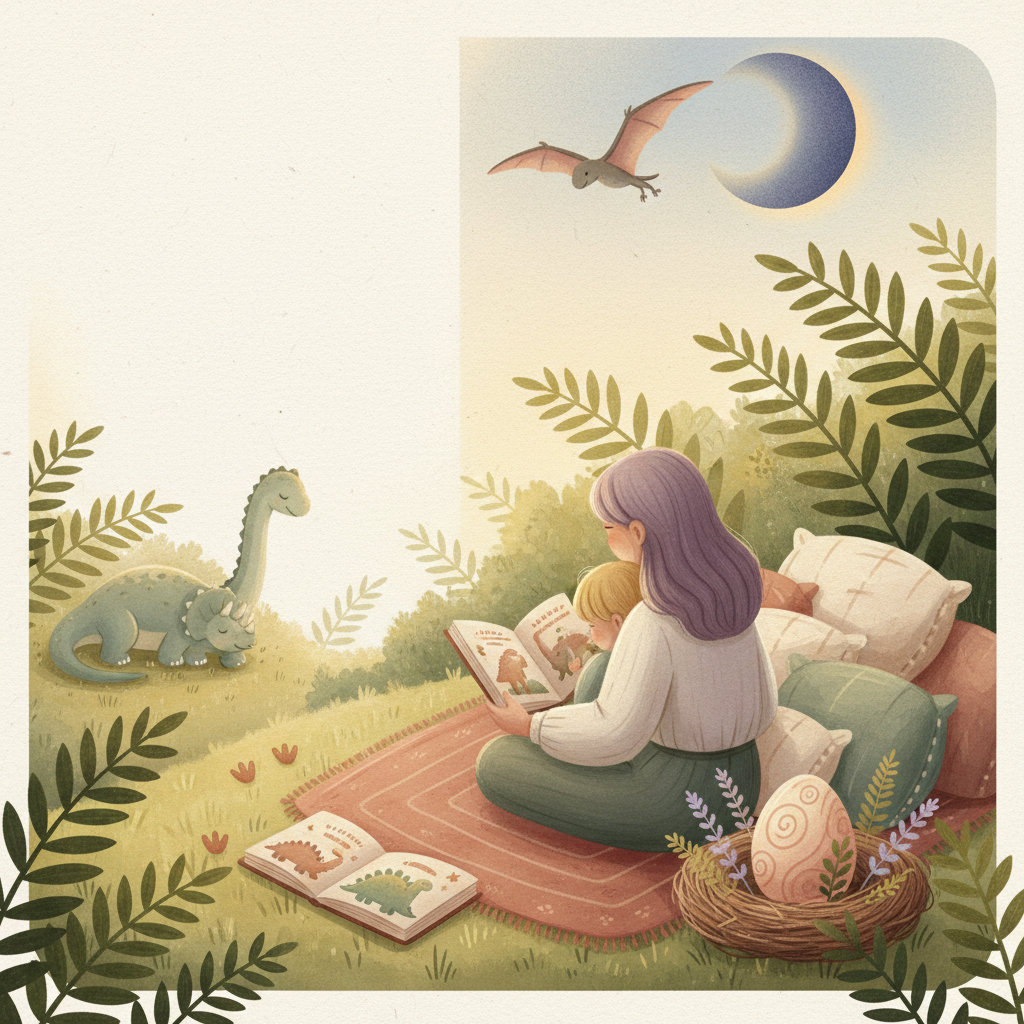
Crafting a Calm Corner Bedtime Routine for Your Little One
As parents, we all yearn for those tranquil evenings where our children drift off to sleep peacefully, leaving us with a moment of quiet reflection. Creating a "calm corner bedtime routine" can be a beautiful way to achieve this, offering a dedicated space and set of rituals that signal to your child that it's time to wind down. This isn't about strict rules or perfect execution, but rather about cultivating a consistent, comforting rhythm that nurtures your child's sense of security and prepares their mind and body for restorative sleep.
The idea of a calm corner is wonderfully adaptable. It could be a cozy nook in their bedroom, a designated spot in the living room, or even just a special blanket and pillow set up in a quiet area. The key is to make it a place associated with comfort, relaxation, and the gentle transition from the day's adventures to the night's slumber. Think of it as a nesting spot, much like a mama brontosaurus carefully prepares for her little one.
The Power of Predictability: Why Routines Matter
Children thrive on predictability. Knowing what to expect next helps them feel secure and reduces anxiety, especially as the day draws to a close. A consistent bedtime routine acts as a powerful cue, signaling to your child's body that it's time to shift gears from active play to quiet rest. According to the American Academy of Pediatrics, a regular bedtime routine can help children fall asleep faster and stay asleep longer [https://www.healthychildren.org/English/healthy-living/sleep/Pages/Bedtime-Routines.aspx]. This structure provides a sense of safety, allowing their little minds to relax and prepare for sleep.
Pediatric experts often suggest that a good bedtime routine should be predictable and calming. It's not just about the sequence of events, but the quality of the interaction. Spending focused, positive time with your child before bed can strengthen your bond and help them feel loved and secure, which are crucial ingredients for a peaceful night. The National Institutes of Health emphasizes the importance of consistent bedtime routines in promoting healthy sleep habits in children [https://www.nih.gov/news-events/news-releases/nih-study-identifies-bedtime-routines-associated-longer-healthier-sleep-children].
Designing Your Calm Corner: A Haven of Tranquility
Creating a physical "calm corner" can enhance the effectiveness of your bedtime routine. This designated space becomes synonymous with winding down, making the transition to sleep even smoother. What makes a calm corner special isn't necessarily expensive items, but rather thoughtful touches that encourage relaxation.
Consider soft lighting, perhaps a dim lamp or a nightlight that casts gentle shadows. Cozy textiles like blankets, pillows, and even a soft rug can make the space feel inviting and comfortable. Some parents like to include a small basket with quiet activities: favorite picture books, soft stuffed animals, or simple puzzles. The goal is to remove distractions and create an environment that says, "this is where we relax." The Sleep Foundation notes that creating a dark, quiet, and cool sleep environment is crucial for promoting healthy sleep in children [https://www.sleepfoundation.org/children-and-sleep/sleep-environment]. While the calm corner isn't necessarily where they sleep, it's the stepping stone to that ideal sleep environment.
"A consistent, comforting bedtime routine isn't just about getting children to sleep; it's about creating a predictable rhythm that nurtures their sense of security and prepares their minds and bodies for restorative rest."
Gentle Activities for Your Calm Corner Routine
Once your calm corner is set, filling it with soothing activities is the next step. The key here is "gentle" – avoiding anything too stimulating or exciting. Here are some ideas that many families find helpful:
- Reading Together: This is a classic for a reason! Snuggling up with a few favorite stories is a wonderful way to connect and calm your child's mind. Let your little paleontologist choose a book about their favorite dinos. The American Academy of Pediatrics recommends reading aloud to children daily, not only for literacy development but also as a calming activity [https://www.healthychildren.org/English/ages-stages/baby/Pages/Reading-Aloud-to-Children.aspx].
- Quiet Conversation: Use this time for gentle conversation about their day. What was their favorite part? What made them happy? This can be a lovely way to process emotions and strengthen your bond. Keep it light and positive, avoiding discussions that might stir up worries.
- Soft Music or Nature Sounds: Calming music or gentle nature sounds can create a peaceful ambiance. Many parents find that soft instrumental music or the sound of rainfall helps their children relax. Consider exploring options like nature sounds for kids sleep or calm music for kids sleep.
- Gentle Stretching or Yoga: Simple, slow stretches can help release any lingering tension in your child's body. Think of a sleepy cat stretching out! You might explore ideas like stretching before bed for kids or bedtime yoga for kids.
- Bedtime Affirmations or Gratitude Practice: Guiding your child through positive affirmations or a brief gratitude exercise can foster a positive mindset before sleep. Many parents find that focusing on what they're thankful for can be incredibly calming. For inspiration, you might look at posts on bedtime affirmations for kids or gratitude bedtime routine kids.
Consistency is Key: Building a Lasting Routine
The real magic of a calm corner bedtime routine lies in its consistency. It might take some time for your child to fully embrace these new rituals, and that's perfectly normal. Be patient, be persistent, and most importantly, be present. The Cleveland Clinic highlights that consistent routines help set the body's internal clock, making it easier for children to fall asleep and wake up naturally [https://my.clevelandclinic.org/health/articles/14421-sleep-for-kids-teens].
Aim for the same general bedtime each night, even on weekends, to help regulate their internal clock. While flexibility is sometimes necessary, striving for consistency whenever possible will yield the best results. Remember that the goal is not perfection, but rather a gentle rhythm that supports your child's well-being and fosters a love for peaceful evenings.
Many families find that gradually introducing new elements into their routine works best. Start with one or two calming activities, and once those are established, you can slowly add others. The journey of creating a calm corner bedtime routine is a personal one, unique to your family and your little one's needs. Embrace the process, cherish the quiet moments, and watch as your tiny T-rex fan settles into a peaceful slumber.
Little Dreaming Dino: A Gentle Invitation
As you nurture your child's bedtime routine, remember that the Little Dreaming Dino app offers a calm 60-second bedtime ritual for dinosaur-loving kids, designed to be a soft complement to your existing practices. Join the waitlist to explore gentle ways to enhance your family's peaceful evenings.
Gentle Reminder
This content is for educational purposes only and is not a substitute for professional medical advice. Every child is unique, and sleep patterns can vary widely. If you have any concerns about your child's sleep, behavior, or overall health, please consult with your pediatrician or a qualified healthcare provider.
Sources
Little Dreaming Dino
A calm 60-second bedtime ritual for dinosaur-loving little ones.
Parent-led, screen-soft, and made for 3–7 year olds who'd rather hear about a sleepy brontosaurus than brush their teeth.
Sources
- Bedtime Routines — American Academy of Pediatrics
- NIH study identifies bedtime routines associated with longer, healthier sleep in children — National Institutes of Health
- Children and Sleep: Sleep Environment — The Sleep Foundation
- Reading Aloud to Children — American Academy of Pediatrics
- Sleep for Kids & Teens — Cleveland Clinic
Educational content only. Not medical advice. Please consult your pediatrician about sleep concerns.