
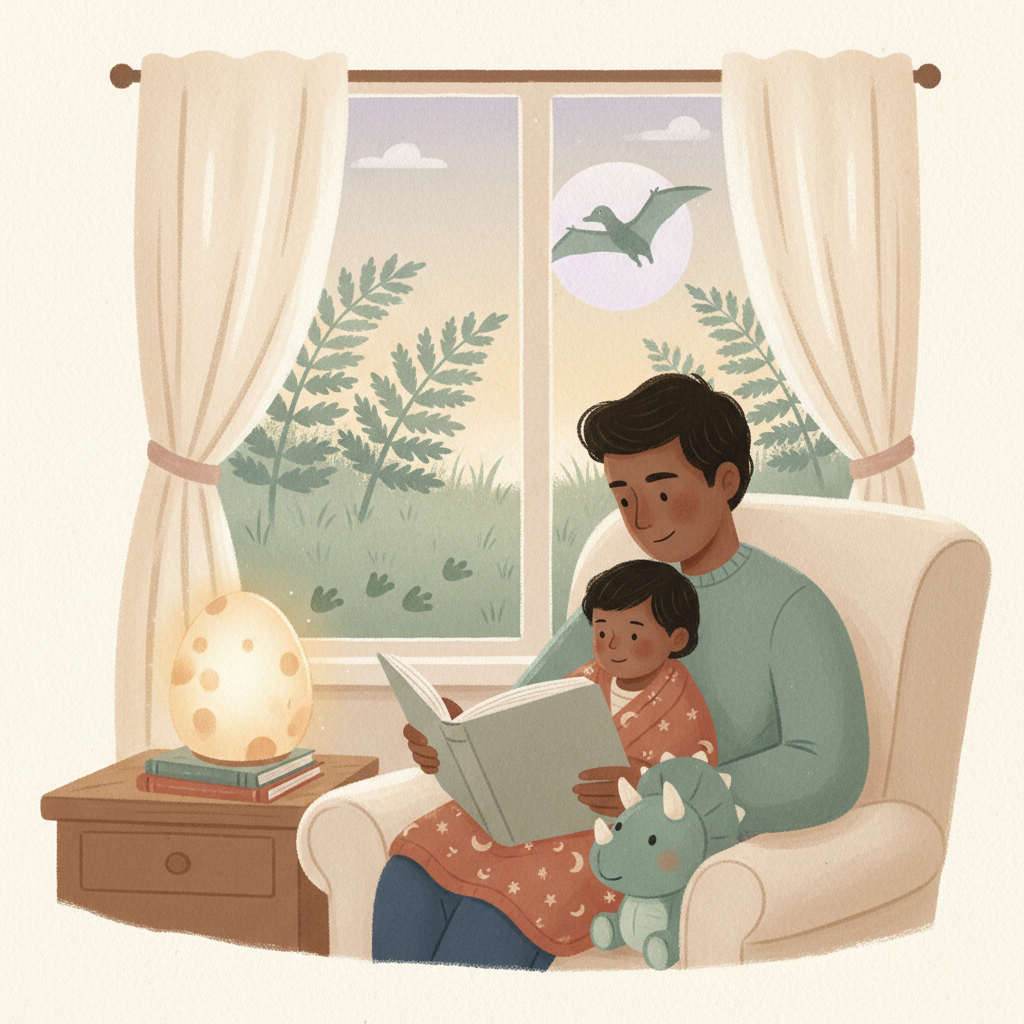
Navigating the 3-Year-Old Sleep Regression: A Gentle Guide for Dino Parents
It’s a familiar scenario for many parents: just when you thought you had a handle on bedtime routines, your once-reliable sleeper, your little paleontologist, suddenly starts waking up frequently, resisting naps, or fighting bedtime altogether. If your 3-year-old is exhibiting new sleep challenges, you might be experiencing what many families call a "sleep regression." It's a common, if sometimes exhausting, phase, and understanding its roots can help you navigate it with calm and confidence.
While the term "sleep regression" isn't a formal medical description, it’s a widely used phrase among parents and often refers to periods when a child’s established sleep patterns temporarily disrupt. For 3-year-olds, these shifts are typically connected to significant developmental milestones and environmental changes. Rest assured, you’re not alone in these sleepy-time adventures!
Understanding Why Sleep Shifts Happen Around Age Three
Around the age of three, children are undergoing a remarkable period of growth and development, which can significantly influence their sleep. These aren't signs of a child trying to be difficult, but rather natural responses to big changes happening in their little worlds.
One of the primary drivers behind sleep changes at this age is cognitive development. According to the American Academy of Pediatrics (AAP), toddlers and preschoolers are rapidly developing language skills, memory, and imagination [https://www.healthychildren.org/English/ages-stages/preschool/Pages/default.aspx]. This explosion of new abilities can make their minds more active at night, leading to difficulties settling down or increased night wakings. Their burgeoning imaginations might also introduce new fears, such as fear of the dark or monsters, which can impact their willingness to be alone in their room.
"Around age three, children are experiencing a surge in cognitive and emotional development that can directly impact their sleep patterns. Their brains are incredibly busy processing new information, which can make settling down for sleep more challenging."
Another key factor is their growing independence and the drive for autonomy. As noted by the National Institutes of Health (NIH), preschoolers are asserting their will and testing boundaries more than ever before [https://www.nih.gov/medlineplus/childdevelopment.html]. This often translates to bedtime resistance – wanting "just one more story," asking for endless drinks of water, or simply refusing to stay in bed. It’s part of their normal developmental journey, even if it feels challenging for parents at 8 PM.
Physical changes also play a role. While many children have dropped their afternoon nap by this age, some still need it. If your 3-year-old is still napping, but struggling with nighttime sleep, it might be a sign that the nap needs to be shortened or phased out. The Sleep Foundation suggests that most children between 3 and 5 years old need about 10-13 hours of sleep per 24-hour period, including naps [https://www.sleepfoundation.org/children-and-sleep/how-much-sleep-do-children-need]. If their nap is too long or too late in the day, it can eat into their nighttime sleep reserves.
Creating a Calming Bedtime Routine
A consistent and calming bedtime routine can be a powerful tool to help ease your 3-year-old through these sleep shifts. Think of it as a gentle wind-down sequence that signals to their body and mind that it
Further reading from trusted pediatric sources:
A calm parent checklist
For families who want one practical place to start, keep the evening plan simple, repeatable, and easy for a tired child to recognize. The goal is not perfection. It is a steady rhythm: a quiet cue, a predictable order, and a gentle finish that parents can repeat most nights without turning bedtime into a long negotiation.
- Choose two or three steps that already fit your home.
- Keep the order familiar, even when the exact timing changes.
- Let the room, lights, and voice signal that the day is slowing down.
- Save big conversations, rough play, and stimulating choices for earlier in the evening.
For broader context, parents can compare their routine with trusted sleep education such as American Academy of Pediatrics. Little Dreaming Dino can sit inside that routine as a short, cozy dinosaur moment when families want a softer transition into the final part of the night.
Little Dreaming Dino
A calm 60-second bedtime ritual for dinosaur-loving little ones.
Parent-led, screen-soft, and made for 3–7 year olds who'd rather hear about a sleepy brontosaurus than brush their teeth.
Sources
- Preschool Ages & Stages — American Academy of Pediatrics
- Child Development — National Institutes of Health
- How Much Sleep Do Children Need? — Sleep Foundation
- Healthy Sleep Habits: How Many Hours Does Your Child Need? — American Academy of Pediatrics
- Napping: Do preschoolers still need to nap? — Mayo Clinic
- When Bad Dreams or Nightmares Strike — American Academy of Pediatrics
- Sleep — Zero to Three
Educational content only. Not medical advice. Please consult your pediatrician about sleep concerns.